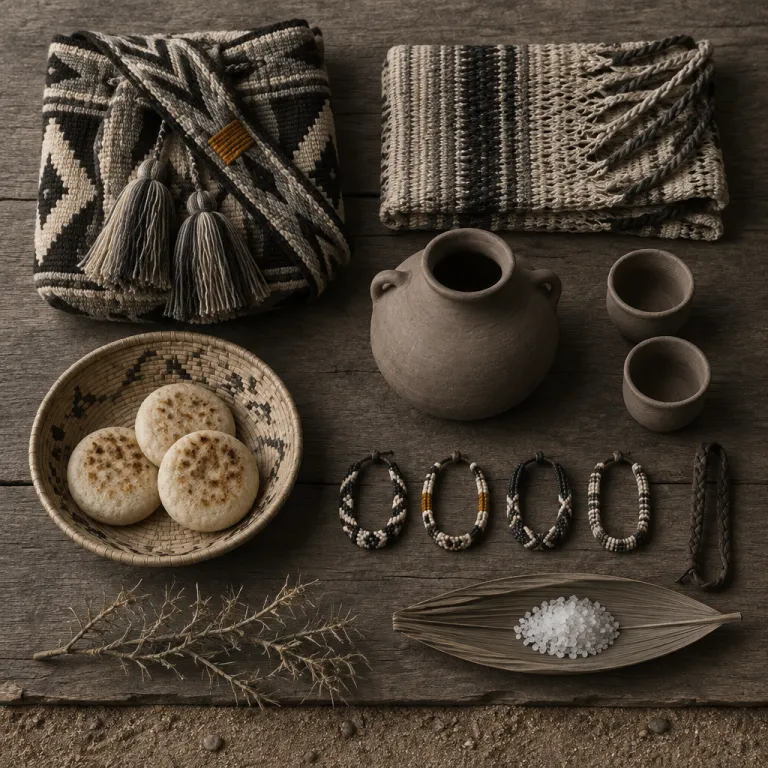
The Guajira peninsula: Colombia’s desert frontier for thoughtful travelers
La Guajira sits at the very top of Colombia, a wind carved peninsula where the desert leans into the Caribbean Sea. This is the homeland of the Wayuu people, an indigenous nation whose culture shapes every serious conversation about la guajira wayuu tourism. For a solo traveler, the region feels like a threshold between south america’s coastal resorts and an ancestral landscape that still follows its own rhythm.
When you visit this part of Guajira Colombia, you move through three distinct zones in just a few days. Around Riohacha, the capital of La Guajira, the coast is gentler, with palm lined beaches and easy access to local markets where Wayuu culture is visible in textiles and language. Push north into the Guajira desert and Alta Guajira, and the sand hardens, the vegetation thins, and the sense of entering indigenous territory becomes unmistakable.
The sea remains a constant reference point, even as the desert intensifies around you. To the west, the distant silhouette of the Sierra Nevada mountains reminds you that Santa Marta and its national park coastline are only a long drive away, yet the feeling in Guajira is radically different. Here, la guajira wayuu tourism is less about resort style comfort and more about accepting that the Wayuu community will set the pace, the routes, and the stories you hear.
Understanding Wayuu territory and indigenous hospitality
Wayuu territory stretches across the Guajira desert and into neighboring countries, but in Guajira Colombia the concentration of indigenous communities is especially visible. Many families live in dispersed rancherías, small household clusters where goats, hammocks, and water tanks define the landscape more than paved streets. When you visit Guajira with respect, you are entering a living homeland, not an open air museum or a backdrop for social media.
Indigenous led hospitality here usually means staying in a community run ranchería, eating food prepared by Wayuu people, and joining a tour guided by local hosts who know every dune and cove. These are not standardized hotels ; they are ancestral spaces where la guajira wayuu tourism depends on trust, clear expectations, and a willingness to adapt to desert conditions. Comfort is measured in shade, clean water, and a well maintained hammock shelter that keeps the wind and sand at bay during the night.
For a solo traveler, the most meaningful stays happen when the community benefits directly from your trip. That can mean paying a Wayuu owned operator for a multi day tour Colombia itinerary, or arranging a visit through a cooperative that shares income among several indigenous communities. Either way, you should expect your hosts to explain basic etiquette, from asking permission before photos to understanding that some ancestral stories are not for visitors.
From Riohacha to Alta Guajira: routes, rancherías and real expectations
Most journeys into Alta Guajira begin in Riohacha, a coastal city that acts as both gateway and buffer between urban Colombia and Wayuu territory. Spend at least a day here to organize logistics, meet your guide in person, and buy essentials like extra water, snacks, and strong insect repellent for the desert nights. The malecón, or seafront promenade, is also where you will see Wayuu women selling mochilas, the handwoven bags that are central to Wayuu culture and a respectful purchase when bought directly.
From Riohacha, classic la guajira wayuu tourism routes fan out along the coast before cutting into the desert. One popular path follows the shoreline to Cabo de la Vela, often written as cabo vela, a fishing settlement turned low key hub for kite surfers and independent travelers. Another continues further into Alta Guajira toward Punta Gallinas, the northernmost point of mainland south america, where the desert cliffs fall sharply into the sea and the sense of remoteness is absolute.
Along these routes, you will sleep in hammocks or simple beds at community run rancherías, usually in shared open air shelters that catch the breeze. Nights can be surprisingly cool, so bring a light layer, and remember that the luxury here is not thread counts but the fact that your local guide knows every track through the Guajira desert. If you want a contrast later in your trip, pair this with a stay in one of the refined heritage properties in Popayán, often called Colombia’s white city, which we review in depth in our guide to Colombia’s most underrated cultural stop.
Key stops: Cabo de la Vela, Pilón de Azúcar and Punta Gallinas
Cabo de la Vela is usually your first deep step into la guajira wayuu tourism, a place where the desert meets a shallow turquoise bay. The settlement itself is a loose string of rancherías, simple eateries, and kite schools, all facing the sea and the constant wind that draws kite surfers from across Colombia. Here, Wayuu people run many of the accommodations and small restaurants, so your spending can stay within the community if you choose carefully.
From Cabo de la Vela, a short drive or guided walk takes you to Pilón de Azúcar, a hill that rises from the desert and offers sweeping views over the coast. The climb is short but exposed, so plan it for early morning or late in the day, and carry water and insect repellent even if the breeze feels strong. Below the hill, a crescent beach offers a place to swim, though currents can be tricky, and your local guide will tell you where it is safest to enter the water.
Further north, Punta Gallinas marks the literal end of the road, a headland where sand dunes, cliffs, and the open sea collide. Nearby, the Taroa dunes spill directly into the waves, creating one of the most striking desert sea encounters in Guajira Colombia. Most travelers spend at least one night here in a community run camp, watching the sky darken over the desert and understanding why la guajira wayuu tourism is about presence rather than performance.
Macuira, national parks and the quiet luxury of access
While the coastal routes draw most visitors, the inland oasis of Macuira National Park offers a different face of la guajira wayuu tourism. Macuira National is a protected area where cloud forest clings to low mountains rising unexpectedly from the desert, creating a microclimate that Wayuu communities have relied on for generations. Access is tightly controlled, and you must arrange your visit through authorized guides who understand both the park’s ecology and its ancestral significance.
Walking through Macuira, you move from dry scrub into shaded ravines where water trickles even in the harshest months. Birds flash through the canopy, and the contrast with the surrounding Guajira desert is so stark that it feels almost cinematic. Yet this is not a theme park ; it is a national park that still functions as a resource for indigenous communities, so trails, viewpoints, and even campsites are designed to be low impact and well maintained rather than overtly luxurious.
For a solo traveler used to urban luxury hotels, the recalibration here is profound. In Macuira and across Alta Guajira, the real privilege is having a trusted local guide, a safe vehicle, and a community willing to host you in their territory. If you are planning a broader tour Colombia itinerary that includes more conventional comfort, consider pairing La Guajira with a stay in Cartagena or with one of the cultural hotel itineraries we outline in our guide to refined Colombia south america holidays for cultural hotel connoisseurs.
Linking La Guajira with Santa Marta and the Sierra Nevada
Many travelers connect La Guajira with Santa Marta, using the coastal road to move between the desert and the lush foothills of the Sierra Nevada. This route allows you to experience both la guajira wayuu tourism and the more familiar beach and national park stays around Tayrona in a single trip. It also highlights how different indigenous communities across Colombia manage tourism, from Wayuu rancherías to Kogi and Arhuaco territories in the mountains.
Santa Marta itself offers a softer landing after the rigors of Alta Guajira, with air conditioned rooms, hot showers, and a restaurant scene that feels cosmopolitan after days of goat stew and arepas. From here, you can continue along the coast to more polished Caribbean stays, including the curated seaside properties we feature in our guide to elegant stays by the sea in Santa Marta. The contrast underlines that luxury in La Guajira is about access and authenticity, while luxury in Santa Marta is about amenities and service layers.
When planning your route, remember that distances on the map can be deceptive, especially once you leave paved roads. A day that looks simple between Riohacha, Cabo de la Vela, and Punta Gallinas can stretch into long hours if conditions change, so build in buffer days and trust your guide’s judgment. This is not a region for self drive experiments ; it is a place where local knowledge and community relationships are your most important safety net.
How to choose ethical, indigenous led tours and stays
Ethical la guajira wayuu tourism starts long before you step into the desert, with the operators and communities you choose to support. Look for Wayuu owned or clearly Wayuu partnered agencies that state how income is shared with indigenous communities, and ask direct questions about where your money goes. A serious operator will be transparent about community agreements, environmental limits, and what kind of behavior they expect from guests.
When comparing options, prioritize tours that include overnight stays in community run rancherías rather than rushed day trips that treat villages as photo stops. Multi day itineraries from Riohacha to Cabo de la Vela, Punta Gallinas, and the Taroa dunes give you time to understand local rhythms, from early morning goat herding to night time storytelling under the stars. Shorter visits can feel extractive, especially if they involve large groups arriving at once, so solo travelers should seek smaller scale experiences where conversation is possible.
Pay attention to how operators talk about Wayuu culture and ancestral traditions in their materials. If the focus is only on “untouched desert” and “exotic tribes”, that is a red flag that the tour Colombia experience may prioritize spectacle over respect. Instead, choose partners who emphasize language, craft, and community decision making, and who are clear that the Wayuu people will lead the narrative on their own land.
Money, crafts and what respectful spending looks like
Spending money thoughtfully is one of the most direct ways you can support indigenous communities while traveling through Guajira Colombia. Buy mochilas and other textiles directly from Wayuu women, ideally in their rancherías or at clearly marked community stalls in Riohacha, Cabo de la Vela, or Punta Gallinas. Avoid aggressive bargaining ; a fair price reflects days of work and helps keep la guajira wayuu tourism aligned with local livelihoods.
When paying for accommodation and food, ask whether the ranchería is family run or managed by an outside operator, and choose the former whenever possible. Meals are usually simple but hearty, often based on goat, fish, rice, and arepas, and the chance to eat what your hosts eat is part of the cultural exchange. Tipping is appreciated but should never replace fair base payment, so agree on clear prices for each day of your trip before you leave Riohacha.
Remember that cash is essential once you enter Alta Guajira, as card payments are rare and mobile coverage is inconsistent. Bring small denominations in Colombian pesos, and keep them in a secure but accessible place, since you will use them frequently for water, snacks, and small services. Thoughtful spending, combined with patient listening, turns your presence from passive tourism into a more balanced exchange.
Practical guidance for solo travelers: safety, packing and mindset
Traveling solo into La Guajira requires more preparation than a standard Caribbean beach trip, but the rewards are proportionate. Safety here is less about urban crime and more about respecting the desert, understanding remoteness, and trusting the indigenous and local guides who know the terrain. If you approach la guajira wayuu tourism with humility and patience, you will find that communities are generally welcoming to respectful visitors.
Always travel with a reputable guide or driver, ideally one recommended by trusted travelers or established agencies in Riohacha, Santa Marta, or other Colombian cities. Self drive attempts into Alta Guajira are strongly discouraged, as tracks shift with the wind, fuel availability is limited, and navigation depends on local knowledge rather than road signs. Share your itinerary with someone outside the region, carry copies of your documents, and keep your phone charged, even if signal drops for long stretches.
Packing should reflect both desert conditions and community expectations. Bring a wide brimmed hat, long sleeves for sun protection, a light layer for cooler nights, and high quality insect repellent for evenings near water or in Macuira National Park. A headlamp, reusable water bottle, and basic first aid kit will make each day more comfortable, while a small notebook can help you remember Wayuu words and stories shared along the way.
Cultural etiquette and the mindset for non performative travel
Respectful la guajira wayuu tourism begins with recognizing that you are a guest in an indigenous homeland, not a spectator at a show. Always ask before taking photos of people, homes, or ceremonies, and accept no as a complete answer without pushing. Dress modestly, especially in rancherías, and avoid loud behavior or public intoxication, which can feel intrusive in small communities.
Language matters too, even if you only learn a few Wayuunaiki words alongside your Spanish. Using local greetings, thanking your hosts in their language, and showing interest in Wayuu culture beyond surface level crafts signals that you see the community as more than a backdrop. Listen more than you speak, and let your guides decide which ancestral stories are appropriate to share and which belong only within the community.
Finally, be honest with yourself about why you are here. If your goal is to collect dramatic desert photos in a single day, La Guajira may not be the right destination, because the region asks for time and reciprocity. If you are willing to slow down, accept discomfort, and let Wayuu people shape your experience, then this desert north of Colombia will stay with you long after the sand has left your shoes.
FAQ
Is La Guajira safe for solo travelers?
La Guajira can be safe for solo travelers who book with reputable guides and respect local advice. The main risks are environmental, such as heat, remoteness, and road conditions, rather than urban crime. Traveling with an experienced driver and informing someone of your itinerary significantly reduces potential problems.
How many days should I spend in La Guajira?
Plan at least three days to visit Cabo de la Vela and Punta Gallinas without rushing. If you want to include Macuira National Park or slower time in communities, four to five days is more realistic. Extra days give you flexibility for weather, road issues, and deeper cultural experiences.
Do I need to speak Spanish to visit Wayuu communities?
Spanish is very helpful, as most guides and hosts speak Spanish and Wayuunaiki rather than English. Some agencies can provide bilingual guides, but they are less common and should be requested in advance. Learning basic Spanish phrases and a few Wayuu greetings shows respect and improves communication.
What should I pack for the Guajira desert?
Pack light, breathable clothing, a wide brimmed hat, sunglasses, and strong sunblock for the desert sun. Bring insect repellent, a reusable water bottle, a headlamp, and a light layer for cooler nights. Cash in small denominations and a power bank for charging devices are also essential.
Can I visit La Guajira independently without a tour?
Independent travel is possible around Riohacha, but Alta Guajira, Cabo de la Vela, and Punta Gallinas are best visited with a guide. Roads are unmarked, fuel is scarce, and navigation relies on local knowledge rather than maps. A good guide also facilitates respectful contact with communities and improves safety.