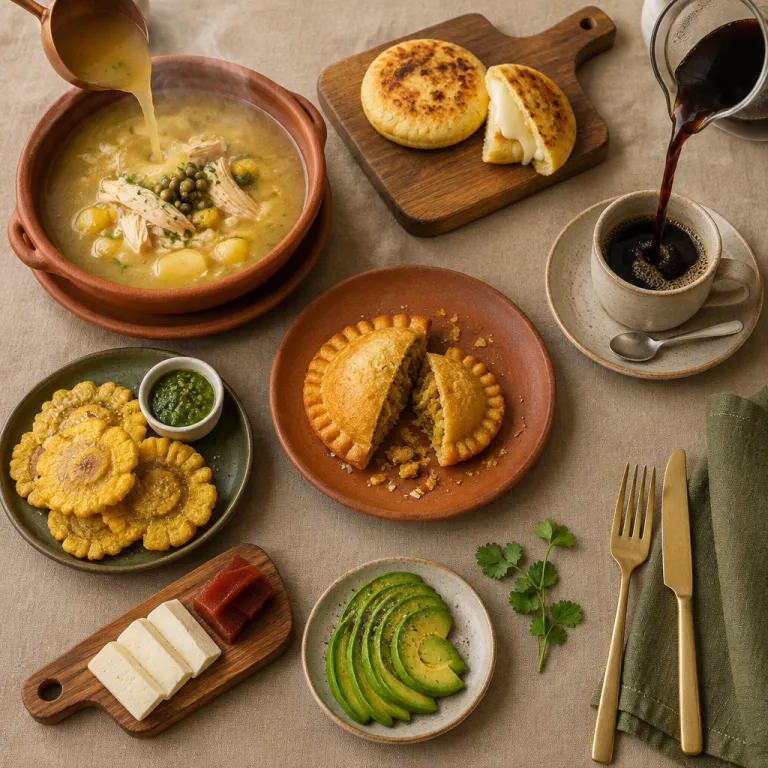
How luxury hotels in Colombia elevate traditional flavors
Luxury hotels in Colombia now treat typical foods in Colombia as a core part of the guest experience. In Bogotá and Cartagena, executive chefs reinterpret traditional Colombian dishes with refined techniques while keeping every flavor honest and recognizable. This shift means your next stay will likely include a curated journey through Colombian cuisine rather than a generic international menu.
High end properties in Bogotá such as the Four Seasons Casa Medina and the JW Marriott highlight the capital’s role as a gateway to regional Colombian food, from the Andean region to the Caribbean coast. Breakfast buffets feature corn arepas, cheese bread and fried plantains alongside seasonal fruit, while tasting menus might pair hot chocolate with Colombian cheese in a sophisticated nod to childhood comfort. As one Bogotá chef explains, “If a guest doesn’t taste our corn, our chocolate and our fresh cheese, they haven’t really visited the city.” In these dining rooms, each dish is plated with the precision of fine dining, yet the soul of traditional Colombian cooking remains intact.
On the Caribbean coast, luxury resorts in Cartagena and Santa Marta lean into coastal Colombian food traditions built around fresh fish and seafood. At hotels such as Sofitel Legend Santa Clara or the Santa Marta Marriott, you will often find rice cooked in coconut milk, grilled fish served with fried plantains and bright fruit salsas that reflect the region’s tropical climate. Many properties now organize private food tours that start in the hotel kitchen, continue through nearby street food stalls and end with a sunset tasting of regional dishes on a rooftop terrace, turning local recipes into a narrative that runs through the entire stay.
From street food to silver service: reimagining everyday favorites
For many travelers, the most memorable typical foods in Colombia are first tasted as street food. Luxury hotels have started translating those same street foods into polished experiences that still feel authentic and unpretentious. A classic example is the arepa de huevo, a deep fried corn pocket filled with egg and sometimes ground meat, which now appears as a refined canapé at cocktail hour.
In Bogotá, chefs who study bogota food culture walk local markets such as Paloquemao to understand how street food shapes daily life. They then design menus where an arepa huevo becomes a miniature tasting portion, or where cheese bread is baked with aged Colombian cheese and served with artisanal jams. Some properties even offer a guided food tour that begins with a street food walk and ends with a multi course dinner that reinterprets each snack in a fine dining context, as explored in depth in this analysis of how dessert culture in Colombia is reshaping luxury hotel stays.
Along the Caribbean coast, street food in Cartagena and Santa Marta inspires poolside menus that feel relaxed yet carefully curated. Deep fried snacks such as empanadas, yucca fritters and fried plantains are prepared with premium oils and served with house made sauces that highlight local fruit. Guests who enjoy these elevated street foods often book longer stays, knowing they will experience both the comfort of traditional Colombian flavors and the precision of contemporary hotel gastronomy.
Signature regional dishes guests now expect on luxury menus
As travelers grow more curious about typical foods in Colombia, they arrive with clear expectations about what should appear on a luxury hotel menu. One of the most requested dishes is bandeja paisa, the abundant platter from the Andean region that traditionally includes beans, rice, pork, ground meat, fried plantains and avocado. In high end settings, chefs often lighten this traditional Colombian dish by adjusting portion sizes and refining each component while preserving its generous spirit.
In Bogotá and Medellín, bandeja paisa variations may feature heritage pork cuts, organic beans and carefully sourced rice plated with minimalist elegance. Hotels sometimes offer a tasting size version of the dish at lunch, then a more indulgent version at dinner for guests who want the full experience. Culinary teams also integrate other regional Colombian cuisine icons, such as coastal fish stews from the Caribbean coast or corn based dishes from the Andean region, ensuring that colombian food feels both diverse and coherent.
Chef driven restaurants inside luxury hotels increasingly collaborate with independent venues across Colombia to keep menus aligned with national trends. Travelers who book properties highlighted in guides to Colombia’s next wave of chef driven restaurants worth booking will notice how often the same core ingredients appear in different guises. Corn, rice, pork and fresh fish move from rustic countryside preparations to tasting menus, proving that traditional Colombian flavors can thrive in both casual and formal dining rooms.
Designing immersive food tours from your hotel lobby
Upscale travelers no longer settle for a single restaurant meal when exploring typical foods in Colombia. They want curated food tours that connect hotel kitchens, local markets and street food scenes in Bogotá, Cartagena and Santa Marta. In response, concierges now design half day and full day itineraries where each stop builds a deeper understanding of Colombian cuisine.
A tour Bogotá guests often choose might begin with a behind the scenes visit to the hotel pastry kitchen, where they taste cheese bread straight from the oven. From there, a private guide leads them through a traditional market to sample fruit, street food snacks and regional Colombian cheese while explaining how each product reflects the country’s varied climates. The experience usually ends with a seated lunch where a signature dish such as bandeja paisa or a coastal fish preparation is served with thoughtful wine or aguardiente pairings.
On the Caribbean coast, luxury resorts coordinate food tours that combine boat excursions with culinary stops in fishing villages near Cartagena and Santa Marta. Guests taste freshly fried fish, coconut rice and fried plantains prepared by local cooks, then return to the hotel where chefs reinterpret those same dishes for dinner service. These itineraries align with Colombia’s slow tourism strategy, and travelers can learn more about how this approach reshapes itineraries in this guide to Colombia’s slow tourism pivot.
Breakfast rituals and comfort foods in premium stays
Breakfast has become one of the most revealing moments to experience typical foods in Colombia inside luxury hotels. Instead of anonymous buffets, many properties now stage breakfast as a curated journey through regional Colombian food traditions. Guests encounter stations dedicated to corn arepas, cheese bread, tropical fruit and hot chocolate with Colombian cheese, each prepared to order.
In Bogotá, the cool climate of the Andean region encourages hearty morning dishes built around eggs, ground meat and potatoes. Hotels often serve a refined version of changua, the local milk and egg soup, alongside lighter options such as fresh fruit and yogurt for international guests. Those who want to understand bogota food culture in depth can ask the concierge to arrange a morning market visit followed by a cooking class focused on breakfast dishes, where they learn how street food influences home style cooking.
On the Caribbean coast, breakfast leans toward lighter plates that highlight the region’s abundance of fruit and fish. Guests in Cartagena and Santa Marta might start the day with grilled fish, coconut rice and fried plantains, or with corn arepas filled with cheese and eggs. These meals show how traditional Colombian comfort foods adapt to different climates across the country while still feeling familiar and satisfying to international travelers.
How culinary trends influence hotel booking decisions
For many high end travelers, access to typical foods in Colombia now ranks alongside room design and spa quality when choosing where to stay. Guests compare how hotels in Bogotá, Cartagena and Santa Marta present Colombian cuisine, from street food inspired snacks to formal tasting menus. Properties that invest in strong culinary teams and thoughtful food tours often see higher repeat bookings and longer stays.
Travelers who care about colombian food increasingly read restaurant menus before confirming a reservation, paying attention to how often local dishes and ingredients appear. They look for signs that the hotel respects traditional Colombian recipes while also offering lighter, health conscious options built around fruit, fish and vegetables. When a property highlights regional specialties such as bandeja paisa, arepa huevo or coastal rice and fish dishes, it signals a genuine commitment to the country’s culinary heritage.
As Colombia’s reputation as a gastronomic destination grows, luxury hotels that ignore these trends risk feeling interchangeable with properties anywhere else in the world. Those that embrace street foods, deep fried snacks prepared with care, and refined versions of everyday dishes create a sense of place that travelers remember. For guests planning a tour Bogotá to the Caribbean coast, choosing hotels with strong culinary programs ensures that every meal, from breakfast cheese bread to late night hot chocolate, becomes part of the journey.
Key statistics on Colombian gastronomy and luxury travel
- According to ProColombia’s tourism balance reports for the late 2010s and early 2020s, international tourist arrivals to Colombia have grown steadily over the past decade, which has encouraged luxury hotels to invest more heavily in regional Colombian cuisine and food tour offerings.
- Data from the Bogotá Chamber of Commerce show that restaurant openings in the capital’s high end districts have increased significantly, reinforcing Bogotá’s role as a testing ground for innovative takes on traditional Colombian dishes and new interpretations of typical foods in Colombia.
- Studies by the World Travel & Tourism Council indicate that travelers who participate in organized food tours tend to spend more per trip and stay longer, a pattern that directly benefits premium hotels offering curated culinary experiences.
- Research from the United Nations World Tourism Organization highlights that gastronomy is now a primary motivation for travel in many countries, and Colombia is increasingly cited as an emerging culinary destination in Latin America.
FAQ about typical foods in Colombia and luxury hotel stays
Which typical foods in Colombia should I try first in a luxury hotel ?
Start with a refined bandeja paisa, then move to coastal fish dishes and corn based preparations such as arepas and cheese bread. Many hotels also offer tasting menus that highlight regional Colombian cuisine in smaller portions. Ask the concierge which dishes best represent the local area where you are staying.
Can I experience real street food while staying in a premium property ?
Yes, many luxury hotels in Bogotá, Cartagena and Santa Marta organize guided street food walks with trusted vendors. These tours let you taste deep fried snacks, fruit juices and traditional Colombian dishes in a safe, structured way. You then often see those same flavors reinterpreted back at the hotel restaurant.
Are typical foods in Colombia suitable for vegetarian or pescatarian guests ?
Colombian cuisine includes many dishes based on corn, rice, beans, cheese and fruit that work well for vegetarians. On the Caribbean coast, pescatarians find abundant fish and seafood options, often grilled or lightly fried. Luxury hotels are used to dietary requests and can adapt traditional recipes without losing their character.
How can I tell if a hotel takes Colombian cuisine seriously ?
Look for menus that name specific regional dishes, highlight local ingredients and offer explanations of their cultural background. Properties that organize food tours, cooking classes or market visits usually have a deeper commitment to Colombian food. Reading recent guest reviews that mention breakfast quality and restaurant experiences also provides useful clues.
Is it necessary to book restaurants in advance at luxury hotels in Colombia ?
For popular dinner services and tasting menus, advance reservations are strongly recommended, especially in Bogotá and Cartagena during peak seasons. Booking early ensures you can try signature dishes such as bandeja paisa variations or coastal fish preparations. Concierges can also help secure tables at notable restaurants outside the hotel if you plan ahead.