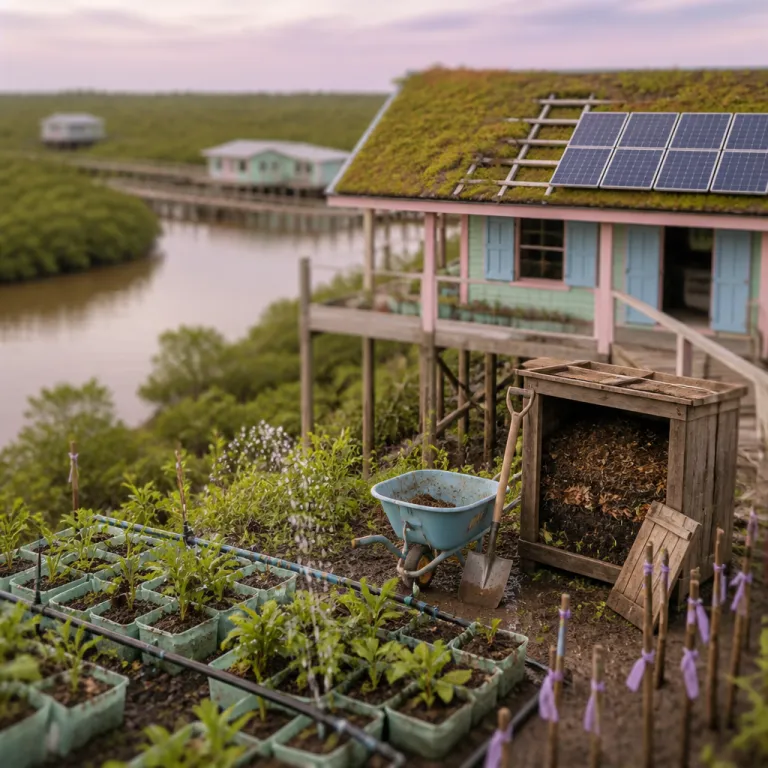
From sustainable to regenerative lodges in Colombia
Regenerative lodges in Colombia are reshaping luxury travel by moving beyond sustainable tourism and into measurable restoration. Instead of only reducing waste or saving water, these hotel projects commit to regenerative tourism that actively rebuilds ecosystems, supports the local economy, and tracks long term impact. For a solo explorer planning travel through Colombia, this shift means your nights under the stars can help replant forests, fund community based projects, and protect nature in a way that standard eco tourism never quite achieved.
Traditional sustainable tourism in Colombia focused on doing less harm, while regenerative travel asks how a stay can leave nature and local communities better than before. In practice, that means eco lodges investing in renewable energy, rewilding degraded hillsides, and co designing experiences with each local community so that cultural initiatives are central, not decorative. When you compare regenerative lodges in Colombia with well known eco friendly destinations such as Costa Rica or Easter Island, you see a similar commitment to sustainability but with a sharper emphasis on data, from biodiversity report cards to carbon accounting that proves a lodge is truly carbon negative.
For travelers used to green labels that feel vague, regenerative tourism in Colombia offers something more concrete and quietly radical. A carbon negative hotel does not just offset emissions with distant projects in Africa or in some abstract mountain national reserve; it removes more CO₂ than it emits on site through forest corridors, agroforestry, and careful design. As you plan your route between national park gateways, Caribbean cities, and remote river towns, choosing regenerative lodges in Colombia becomes a way to align every experience with a clear, measurable contribution to nature and to the surrounding communities.
Cannúa Lodge: compressed earth, carbon negative comfort
Cannúa Lodge sits in the green folds of eastern Antioquia, about 90 minutes from Medellín by road (roughly 55 km), and it has become a reference point for regenerative lodges in Colombia. The property is built almost entirely from compressed earth bricks made with local materials, a construction method that dramatically reduces embodied carbon while blending the hotel into the natural contours of the hillside. This is not eco design as an aesthetic gesture; it is a structural commitment to sustainability that underpins every experience, from the cool thermal mass of your room to the terraced gardens that feed the kitchen.
On paper, Cannúa is a carbon negative hotel, part of a new generation of eco lodges in Colombia that treat regenerative tourism as a measurable science rather than a marketing slogan. According to the lodge’s own 2023 impact summary and internal carbon accounting, supported by a third party review by Colombian consultancy Terrasos, the property removes more CO₂ than it emits, largely through on site reforestation and agroforestry. The team uses permaculture principles to restore soil health, plant native trees, and create wildlife corridors that stitch fragmented nature back together, and these efforts are tracked through ongoing internal report data and external audits. For guests, the result is a series of slow travel experiences that feel both indulgent and grounded, whether you are walking through cloud forest at dawn, tasting coffee grown by a nearby local community, or joining a workshop that explains how regenerative travel differs from more conventional sustainable tourism models in Costa Rica or Bocas del Toro.
Life at Cannúa unfolds at a deliberate pace that suits solo travelers who want time to think, read, and reconnect with local landscapes rather than chase a packed excursion schedule. Rooms open onto sweeping views of green valleys and mountain national ridgelines, and the restaurant leans into seasonal produce sourced from local communities and small farms. As co founder Santiago Giraldo notes in the lodge’s sustainability report, “Our goal is not just to be low impact, but to actively restore the forest that surrounds us.” If you are mapping a broader circuit of luxury eco hotels in Colombia, this lodge pairs naturally with coastal stays featured in guides to sustainable elegance on the Caribbean and beyond, such as the curated overview of luxury eco hotels in Colombia that already highlight how high end comfort and regenerative principles can coexist.
La Manigua Lodge: between river basins and rewilded forest
La Manigua Lodge lies near La Macarena, at the meeting point of the Amazon and Orinoco basins, and it represents another benchmark for regenerative lodges in Colombia. The property is surrounded by dense forest and sits close to a protected national park landscape, which makes every boat ride or jungle walk feel like a front row seat to Colombia’s most intense expressions of nature. For solo travelers, the journey itself becomes part of the experience, as you move from urban travel hubs into a remote world where the sounds of insects and river currents replace traffic and notifications.
This lodge runs on renewable energy and uses biodegradable products, aligning with the strictest eco friendly standards while pushing further into regenerative tourism. Management works closely with local communities to restore degraded patches of forest, support community based conservation, and design experiences that respect both nature and local cultural traditions. The lodge’s 2022 environmental report, which follows Global Sustainable Tourism Council (GSTC) aligned guidelines, notes that on site reforestation and avoided deforestation projects remove an estimated 150–200 tons of CO₂ equivalent per year, a figure reviewed by an independent Colombian environmental auditor. Guests are encouraged to understand how eco tourism can evolve into regenerative travel, with guides explaining why a carbon negative hotel must show that it removes more CO₂ than it emits, echoing the clear definition that “A lodge that removes more CO₂ than it emits” and “Through sustainable practices and renewable energy” are the core criteria for carbon negativity.
Days at La Manigua are shaped by the rhythms of the forest rather than by resort style programming, which suits independent travelers who prefer unhurried experiences. You might spend one morning birdwatching along a riverbank, another learning how local economy initiatives link tourism revenue to education projects in nearby communities, and an afternoon simply listening to rain on the canopy. For those already intrigued by Sierra Nevada style retreats, the ethos here aligns with the understated approach described in guides to Sierra Nevada eco lodges, where sustainability is embedded in daily operations rather than shouted from every sign.
Community, culture, and the economics of regeneration
What truly sets regenerative lodges in Colombia apart is how deeply they are woven into local communities and their economies. At Cannúa Lodge in Antioquia and La Manigua Lodge near La Macarena, most staff come from nearby villages, which means your stay directly supports the local economy while giving you a more authentic window into daily life. This community based approach to tourism contrasts sharply with imported resort models, where profits often flow out of Colombia rather than circulating through local markets and community projects.
Regenerative tourism in Colombia treats each hotel as a hub for eco tourism, education, and cultural exchange, not just as a place to sleep between national park excursions. Lodges commission artisans for textiles and ceramics, partner with local communities on guiding and transport, and co create experiences that highlight the relationship between nature and culture, from traditional farming methods to river rituals. When you join these experiences as a solo traveler, you are not just a spectator; you become part of a regenerative travel loop in which your spending helps fund conservation, scholarships, and small business growth in surrounding communities.
Some travelers ask whether they should instead focus on destinations like Costa Rica, Bocas del Toro in Panama, or even remote islands such as Easter Island in the Pacific, which are often cited as pioneers of eco lodges and sustainable tourism. The answer depends on the kind of impact and intimacy you seek, because regenerative lodges in Colombia tend to be smaller, more integrated with local community life, and more explicit about their environmental report data. If you value direct relationships with hosts, nuanced stories about nature, and the chance to see how renewable energy systems and reforestation projects work up close, Colombia offers a depth of experience that rivals better known eco friendly hotspots in Africa or Central America.
Planning your stay: routes, seasons, and what to pack
Planning a circuit of regenerative lodges in Colombia requires a slightly different mindset from booking a conventional resort holiday. Distances can be deceptive on the map, and reaching a carbon negative hotel often involves a combination of flights, road transfers, and sometimes river boats, especially when you are heading toward La Manigua Lodge and its national park surroundings. From Bogotá, for example, the journey to La Macarena typically involves a one hour flight followed by a 20–30 minute transfer by 4x4 and boat, depending on river levels. Solo travelers should embrace this as part of the experience, building in buffer days and treating each leg of the journey as a chance to see more of Colombia’s varied nature and communities.
Access to Cannúa Lodge is relatively straightforward, with paved roads from Medellín leading into the green hills of eastern Antioquia, while La Manigua demands more logistical planning and a higher tolerance for humidity, insects, and jungle conditions. Both lodges reward preparation: pack light, breathable clothing, a good rain jacket, closed shoes suitable for muddy trails, and a small daypack for nature walks and community visits. If your wider travel plan includes urban stops or coastal stays, you can weave in city based luxury properties, such as those highlighted in curated guides to refined stays in Barranquilla, to balance remote eco experiences with cultural nights out.
Seasonality matters less for temperature than for rainfall, especially in jungle regions where downpours can affect river levels and trail conditions around La Manigua and other eco lodges. Before you travel, read each lodge’s sustainability report or impact summary, which often explains how renewable energy systems, waste management, and reforestation projects adapt to changing weather patterns. By aligning your dates, expectations, and packing list with the realities of regenerative tourism in Colombia, you give yourself the best chance of enjoying both comfort and meaningful connection to nature, local communities, and the wider story of sustainable tourism in this country.
How to choose genuinely regenerative lodges in Colombia
Choosing between regenerative lodges in Colombia can feel daunting when every hotel seems to claim eco credentials. A useful starting point is to ask for clear data on carbon accounting, biodiversity indicators, and community investment, because a truly carbon negative hotel will be able to show how it removes more CO₂ than it emits. Lodges such as Cannúa and La Manigua have built their reputations on this transparency, using renewable energy, reforestation, and long term partnerships with local communities to back up their promises.
Look closely at how each property talks about tourism, not just in glossy brochures but in the detail of its sustainability report, staff training, and guest experiences. Regenerative travel in Colombia should feel embedded in daily operations, from menus that prioritize local produce to excursions that highlight nature culture connections rather than staged performances. When a lodge explains how eco tourism revenue supports education, conservation, and small enterprises in nearby communities, you can be confident that your stay contributes to a broader culture community of stewardship.
Finally, consider your own travel style and how it aligns with the rhythm of regenerative lodges in Colombia, which often encourage stays of three to five nights to allow for deeper experiences. Solo explorers tend to thrive in these settings, where unstructured time, guided walks, and conversations with staff and neighbors replace rigid itineraries and entertainment schedules. By choosing properties that combine comfort, verifiable sustainability, and meaningful engagement with nature and local communities, you help ensure that Colombia’s most fragile landscapes remain vibrant for future travelers who care about both luxury and impact.
FAQ: regenerative lodges and carbon negative stays in Colombia
What is a carbon negative lodge in Colombia ?
A carbon negative lodge in Colombia is a property that removes more carbon dioxide from the atmosphere than it emits through construction, operations, and guest activities. This is achieved through a combination of low impact design, renewable energy, reforestation, and careful management of transport and supply chains. Cannúa and La Manigua are leading examples of regenerative lodges in Colombia that pursue this standard and publish impact data to support their claims.
How do lodges like Cannúa and La Manigua achieve carbon negativity ?
These lodges reduce emissions through efficient architecture, compressed earth construction, and renewable energy systems such as solar panels. They then invest in ecosystem restoration, including tree planting and habitat protection, which captures additional carbon and enhances biodiversity. As one expert explanation puts it, “How do these lodges achieve carbon negativity?" "Through sustainable practices and renewable energy,” combined with transparent monitoring of their carbon balance.
Where are Cannúa Lodge and La Manigua Lodge located in Colombia ?
Cannúa Lodge is located in the hills of eastern Antioquia, within driving distance of Medellín, surrounded by cloud forest and farmland. La Manigua Lodge is situated near the town of La Macarena, close to a protected national park area between the Amazon and Orinoco river basins. Both locations offer immersive access to Colombia’s natural landscapes while remaining connected to nearby local communities.
Why are regenerative lodges in Colombia well suited to solo travelers ?
Regenerative lodges in Colombia typically emphasize slow travel, longer stays, and unstructured time, which suits solo travelers who value reflection and flexibility. Activities are often small group or privately guided, making it easy to connect with staff, guides, and other guests without feeling lost in a crowd. The strong focus on community and nature also provides rich conversation and learning opportunities for independent travelers.
How do regenerative lodges in Colombia support local communities ?
These lodges prioritize hiring from nearby villages, sourcing food and materials from local producers, and co designing experiences with community leaders. Revenue from tourism helps fund education, conservation, and infrastructure projects, creating a direct link between guest spending and local development. This community based model ensures that the benefits of eco tourism are shared widely rather than concentrated in distant corporate headquarters.