Why leonor espinosa bogota should anchor your luxury stay
Leonor Espinosa has turned Bogotá into a stage where contemporary Colombian gastronomy quietly rewrites the rules of luxury travel. For business leisure travelers who land for meetings in the financial district and then extend their stay, structuring the itinerary around Restaurant Leo is not indulgence but intelligent planning that unlocks Colombia through its food, its communities and its rural areas. When you treat a reservation with chef Leonor Espinosa as the fixed point of your trip, every hotel choice, airport transfer and late checkout suddenly orbits a clear purpose.
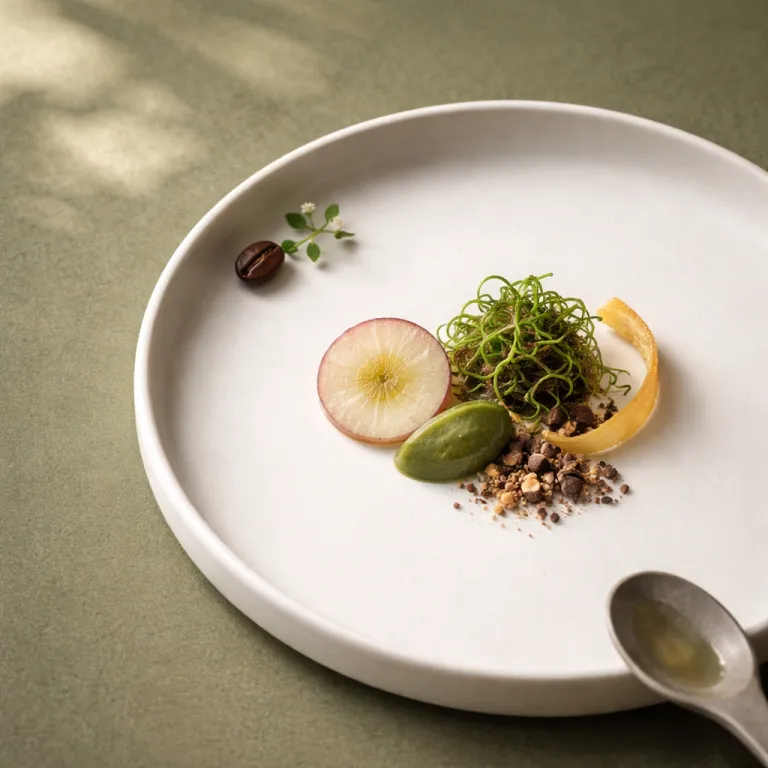
At the heart of Leonor Espinosa Bogotá stands the Ciclo-Bioma tasting menu, a 20 plus course journey that uses Colombian food and its ecosystems as architecture rather than decoration. Instead of simply listing dishes, Leonor Espinosa organizes the experience by biomes, moving from mangroves and páramo to rainforest and desert, so each sequence of ingredients and cooking techniques reflects a specific territory and its social economic realities. A passage through the mangrove biome, for example, might pair piangua clams with fermented coconut and coastal herbs, echoing traditional Pacific coast cooking while feeling unmistakably contemporary. This is why the restaurant is consistently named among the best restaurants in Latin America and why high end travelers quietly compete for the same tables as diplomats, CEOs and visiting artists.
For guests booking premium hotels through mycolombiastay.com, the question is not whether to go to Leo Restaurant, but how to build a Bogotá stay that does justice to what happens there. The most strategic move is to secure the tasting menu at Restaurant Leo first, then select a hotel in Zona Rosa, Zona G or Chapinero Alto that minimizes traffic friction and maximizes late night comfort after 20 courses of intense Colombian cuisine. That single decision turns a standard business trip into a curated immersion in Colombian gastronomy, where one of the most influential chefs in Latin America becomes your unofficial cultural attaché.
Inside CYCLE BIOME at restaurant Leo: reading a 20 course thesis
The Ciclo-Bioma concept at Restaurant Leo is often described as a tasting menu, yet that undersells what chef Leonor Espinosa is attempting in Bogotá. Each movement of the menu links specific ingredients, cooking methods and communities to a biome, so the diner moves from coastal mangroves to Andean highlands and Amazonian forest without leaving the table. Instead of a parade of pretty dishes, Leonor Espinosa offers a structured argument about how Colombian cuisine should be organized around biodiversity, not imported luxury tropes.
One sequence might highlight traditional ingredients from rural areas of the Pacific coast, where fishing communities supply little known species and wild herbs that rarely appear in mainstream restaurants. Another movement could focus on high altitude páramo, where roots, tubers and grains are treated with the same respect usually reserved for caviar, showing how Colombian food can be both humble and avant garde. The tasting menu becomes a map, and each plate is a coordinate that links food, territory and social economic context in a way few fine dining rooms in Latin America attempt.
Funleo, the foundation created by Leonor Espinosa and her daughter Laura, underpins this structure by working directly with producers in remote rural areas and indigenous communities. Through Funleo, the chef channels purchasing power and visibility back to those communities, turning the restaurant into a platform rather than a spotlight. According to Funleo’s own impact reports, dozens of producer groups now participate in this network, supplying ingredients that move from jungle clearings and river deltas to the dining room in Bogotá. When you sit down at Leo Restaurant in Bogotá, you are not just meeting a Colombian chef, you are entering a network of relationships that stretches from city boardrooms to territories that rarely appear on conventional tourist maps.
Designing a Bogotá stay around Leo: hotels, timing and context
For the business leisure traveler, the smartest move is to treat Leonor Espinosa Bogotá as the anchor event and then let logistics fall into place around it. Start by securing a reservation at Restaurant Leo or at the more casual sibling space, often referred to as Leo bar, then choose a luxury hotel within a 10 to 20 minute drive to reduce Bogotá traffic risk. Zona G and Zona Rosa offer the best balance between proximity to the restaurant, access to other top restaurants and easy transfers to the financial district.
High end hotels in these neighborhoods understand that guests flying in for Colombian gastronomy need flexibility, not just thread count. Ask for late checkouts on the morning after your tasting menu, and confirm terms and conditions around early arrivals if your international flight lands before dawn. Many concierges now treat a table at Leo Restaurant or other best restaurants in Bogotá as seriously as a boardroom booking, and they will coordinate transport, language support and even prepayment so you can move from meeting to menu without friction.
Context matters beyond the plate, especially now that Leonor Espinosa is widely discussed in public life as both chef and cultural voice. She has spoken about how gastronomy, culture and economic policy belong in the same conversation, and media coverage has explored the idea of chefs stepping into formal politics. That public engagement reinforces what you taste at Restaurant Leo in Bogotá, where Colombian gastronomy is framed as a tool for development, and where a Colombian chef uses fine arts level plating to talk about land rights, biodiversity and the future of rural areas.
Zona G, alternative tables and when 20 courses feel like too much
Not every traveler wants a 20 course tasting menu, even when it is crafted by one of the most celebrated chefs in Latin America. Some executives prefer to land, shower at their hotel and walk to a smaller restaurant in Zona G for a shorter, sharper immersion in Colombian cuisine. In that case, structuring your stay around Leonor Espinosa Bogotá still makes sense, but you might pair Leo with other restaurants such as Criterion, Humo Negro or Prudencia to see how different chefs interpret Colombian food.
Zona G in particular has become a laboratory where Colombian gastronomy meets international technique, and where restaurants experiment with tasting menus, à la carte formats and bar counters. A guest might spend one night at Restaurant Leo, reading the Ciclo-Bioma thesis in full, then the next evening at a smaller restaurant where the chef focuses on one region, one set of ingredients or one style of cooking. This rhythm allows you to compare how different Colombian chefs, both male and female, handle traditional ingredients, urban diners and the expectations of luxury travelers from across Latin America.
There is also a valid counter thesis for those who find long menus indulgent rather than rigorous. If your schedule is packed with meetings, site visits and internal strategy sessions, a 20 course experience may feel like another marathon, not a reward. In that case, consider booking the bar experience at Leo Restaurant, where you can taste key dishes and ingredients from the Ciclo-Bioma universe in a shorter format, then use our guide to elevating guest experiences through luxury and premium hotel booking websites in Colombia on mycolombiastay.com to align your hotel choice, transfers and restaurant plans with your actual energy levels.
Leonor Espinosa, politics and the future of colombian gastronomy
The story of Leonor Espinosa Bogotá now extends beyond the dining room into broader national debates. Leonor Espinosa is a Colombian chef whose work is frequently cited in discussions about how gastronomy can influence public policy and economic development. Commentators have noted that the same mind structuring the Ciclo-Bioma menu is also shaping conversations about culture, territory and inclusion in Colombia.
For travelers, this matters because it reframes what happens at Restaurant Leo and at other best restaurants in Bogotá. When a Colombian chef uses ingredients from marginalized communities and rural areas, then participates in public forums to argue for cultural and economic policies that protect those territories, the tasting menu becomes part of a broader social economic project. The fine arts level presentation of dishes, the careful sourcing of Colombian food and the narrative around communities are no longer just storytelling devices, but components of a development vision.
Business leisure guests, used to reading balance sheets and ESG reports, will recognize the rigor behind this approach. Booking a table at Leo Restaurant in Bogotá is not charity tourism, it is participation in a system where value flows back to producers through Funleo, where a female chef uses her platform to argue for sustainable development and where Colombian cuisine becomes a lens for understanding the country. In a city of more than seven million people, where Bogotá’s population drives a complex urban economy, centering your stay on Leonor Espinosa is a way to connect boardroom conversations with the realities of the territories that feed the capital.
Key figures shaping leonor espinosa bogota and colombian gastronomy
- Bogotá has a population of more than seven million residents, making it the largest urban market for Colombian cuisine and a natural stage for restaurants like Leo to influence national dining culture (National Administrative Department of Statistics, DANE, 2018 population projections).
- The Colombian Congress currently holds 172 seats in the Chamber of Representatives, and public debate about cultural policy illustrates how a single chef can bridge gastronomy, culture and formal politics in Colombia (Colombian Government data on congressional composition).
- Legislative elections in Colombia are scheduled for March 2026, meaning that diners visiting Restaurant Leo in the coming seasons are tasting a menu shaped by someone actively engaged in national conversations about rural areas, communities and economic development (official electoral calendar published by Colombian electoral authorities).
Trustful expert quotes
Who is Leonor Espinosa? A Colombian chef whose Restaurant Leo has been recognized among the best in Latin America. What is Espinosa often associated with in public debate? Using gastronomy to address culture, territory and development in Colombia, a role reinforced by the work of Funleo with rural producers. When are the Colombian legislative elections? March 2026, according to the official electoral calendar released by national electoral authorities.