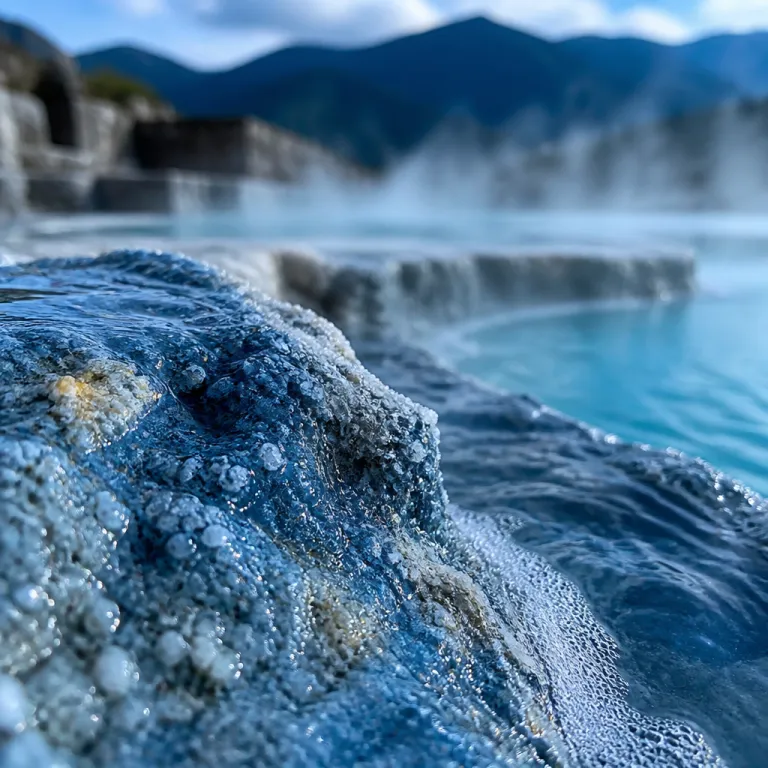
Why a colombia hot springs thermal circuit belongs on your couples itinerary
Colombia sits on a seam of volcanic energy that quietly shapes some of its most indulgent escapes. For couples used to coastal resorts and rooftop pools, a curated colombia hot springs thermal route through the highlands feels like stepping into a more elemental version of luxury, where thermal waters and mountain air do the heavy lifting. Think long soaks in natural mineral pools, followed by a glass of Colombia coffee as mist drifts across Andean hills.
This circuit works because it connects existing luxury corridors rather than competing with them. You can start in Boyacá, where Paipa’s hot springs Colombia scene pairs easily with Villa de Leyva’s colonial plazas and Lake Sochagota’s calm shoreline, then continue by an hour bus or private transfer to Bogotá or the Coffee Triangle for the next set of thermal pools. The result is a multi day journey that feels coherent, with each hot spring and each hotel adding a different note to the same wellness theme.
Unlike many spa resorts that rely on heated tap water in a decorative pool, these colombia hot springs thermal stops are fed by genuine geothermal sources that rise from deep underground. The water carries minerals, heat and a sense of place that no urban spa can replicate, especially when a waterfall thunders nearby or steam curls off a thermal pool at dusk. For couples, that combination of authenticity and comfort is what turns a simple hot spring into a memorable stay.
Paipa and Hacienda del Salitre: thermal waters with heritage polish
Paipa in Boyacá is where colombia hot springs thermal travel starts to feel truly high end. Just outside town, Parque Termal Paipa operates a public complex with three main pools, where hot water emerges from the Pozo Azul source at around seventy five degrees Celsius before being cooled for safe bathing.1 The atmosphere is relaxed rather than exclusive, yet it gives you a first taste of how thermal baths and mountain light can reset your body clock.
The luxury pivot happens when you check into Hacienda del Salitre, a national heritage property dating from the eighteenth century that now functions as an intimate hotel with its own thermal pools. Here, the same thermal waters that feed Paipa’s public springs Colombia scene are channeled into stone lined thermal pools framed by thick adobe walls and antique beams, creating a quiet contrast to the busier Parque Termal Paipa pools. Couples can move between the hotel spa circuit, the main pool and private corners of the garden, then head out for a sunset walk along Lake Sochagota or a day trip to Villa de Leyva’s cobbled streets.
From a practical angle, Paipa is also one of the easiest colombia hot springs thermal stops to integrate into a broader itinerary. It sits on the route between Bogotá and the highland towns of Boyacá, so you can arrive by car or by an hour bus style transfer arranged through your hotel. If you are already exploring eco focused stays in the region, content about Sierra Nevada style eco lodges such as the analysis on sustainability without the marketing polish offers a useful benchmark for what responsible luxury can look like in Colombia’s mountains.
Santa Rosa de Cabal: Coffee Triangle romance with a thermal edge
Shift west to the Coffee Triangle and the colombia hot springs thermal story becomes greener, more vertical and unmistakably romantic. Santa Rosa de Cabal, usually shortened to Santa Rosa, sits in the hills above Pereira and has built a reputation around its termales Santa complexes, where hot springs cascade down rock faces into terraced pools. The mineral rich water here is famously low in sulfur odor, which means you can linger for hours day and night without that heavy spa smell.
The flagship operator, Termales Santa Rosa de Cabal, manages a series of thermal pools framed by a dramatic waterfall and dense forest, creating one of the most photogenic thermal springs Colombia offers. Official data notes that the water emerges at around seventy degrees Celsius before being cooled, so you move between different thermal pools to find your preferred temperature.2 Couples often time their visit for late afternoon, soaking in a hot spring as the sky turns pink, then retreating to a nearby hotel or spa lodge for a quiet dinner built around Colombia coffee and regional produce.
Because Santa Rosa sits within the broader coffee triangle, it is easy to weave these termales into a longer route that includes high end fincas, design forward glamping and urban nights in Pereira. For inspiration on how refined nature stays can feel in Colombia, the guide to refined glamping stays in nature shows how couples are already trading city towers for starlit decks and private hot tubs. Add a day at Termales Santa Rosa de Cabal to that mix, and your colombia hot springs thermal circuit suddenly feels like a complete wellness arc rather than a series of disconnected dips.
Beyond the headline names: San Vicente, Coconuco and lesser known springs
Once Paipa and Santa Rosa de Cabal are on your map, the colombia hot springs thermal network opens up into quieter, more local corners. Near Santa Rosa, the San Vicente thermal area offers a wilder setting, where thermal waters steam in forest clearings and the infrastructure feels more rustic than resort like. Couples who prefer fewer people and more birdsong often rate these San Vicente thermal springs as the best hot option for a second day in the region.
Further south, near Popayán, the Coconuco area hides two contrasting hot springs known as Agua Tibia and Agua Hirviendo, reached in about an hour bus ride from the city. Here, the hot water emerges in different temperatures, so you can alternate between a gentler hot spring and a more intense pool, then cool off in nearby streams that feel almost glacial by comparison. This is not a polished spa environment, yet for travelers who already appreciate off grid eco stays like those profiled in the Sierra Nevada eco lodge coverage, the authenticity of these thermal baths can be part of the appeal.
Closer to Bogotá, the Los Volcanes thermal springs sit roughly eighty kilometres north of the capital and provide another accessible colombia hot springs thermal stop.3 The water here contains sulfur and iron, giving it a distinct mineral profile that some wellness travelers seek out specifically. While accommodation around Los Volcanes is simpler than the hotel options in Paipa or Santa Rosa, you can still pair a day of soaking with a night in a more upscale property back in the city or in nearby countryside estates.
Designing a multi day colombia hot springs thermal route for couples
For a five to seven night trip, a logical colombia hot springs thermal circuit starts in Bogotá, loops through Boyacá and finishes in the Coffee Triangle. Spend two nights in Paipa, using one full day for Parque Termal Paipa and Hacienda del Salitre’s private thermal pools, then add a night in Villa de Leyva to balance hot springs with colonial architecture. From there, return to Bogotá or fly onward to Pereira, where Santa Rosa de Cabal and San Vicente can anchor the second half of your route.
Couples with more time can extend the colombia hot springs thermal theme by adding Coconuco near Popayán or the Los Volcanes area north of Bogotá, creating a broader Andean arc. The key is to alternate intense spa days with lighter excursions, so your body has time to adjust to altitude and repeated exposure to hot water. Many travelers pair thermal days with gentle hikes, coffee farm visits or slow boat rides, using the rhythm of hot springs and cool evenings to structure the journey.
When planning, remember that Colombia’s highland roads can turn a short distance into a longer hour bus style transfer, especially in rainy months. Build in buffers between check out and your next soak, and lean on hotels that understand wellness focused travel rather than just offering a generic pool. For executives or remote workers folding this into a working trip, the guide to resorts in Colombia built for executives who need more than a lobby bar can help you identify properties where Wi Fi, quiet workspaces and spa access coexist comfortably.
What to expect on site: from changing rooms to cost in COP
Thermal complexes on a colombia hot springs thermal route range from polished spa resorts to simple community run pools, and expectations should adjust accordingly. At larger operations like Termales Santa Rosa de Cabal or Parque Termal Paipa, you will usually find organized changing rooms, lockers where you can safely bring lock accessories, on site restaurants and clearly signed thermal pools. Smaller hot springs such as some San Vicente or Coconuco spots may offer only basic changing rooms and a single pool, with food limited to local snacks.
Entry fees are generally charged in Colombian pesos, so it helps to have a rough sense of cost in COP before you arrive. As one local information sheet puts it, “Fees vary; check official websites for current rates.” That advice holds across the colombia hot springs thermal spectrum, because operators adjust prices for maintenance, new spa facilities or extended hours day by day during peak seasons. As a broad guide, many public complexes charge a modest per person fee in COP, while hotel based thermal circuits are typically priced higher and may be bundled into room rates.
In terms of etiquette, most colombia hot springs thermal venues require swimwear, and many insist that you bring water friendly sandals for moving between hot and cold surfaces. Towels are sometimes included at higher end hotel spas, but at public springs Colombia wide it is safer to bring your own towel and a small bag for valuables. If you plan to move between multiple pools or a waterfall area, consider a light robe or quick drying cover up, especially in cooler Boyacá evenings or breezy Santa Helena style hilltops near the Coffee Triangle.
Wellness, climate and packing: making thermal stays work for you
Altitude and climate shape every colombia hot springs thermal experience, so packing with intention matters as much as choosing the right hotel. Paipa and Boyacá sit at higher elevations, which means cool nights and strong sun during the day, while Santa Rosa de Cabal and San Vicente in the Coffee Triangle feel more humid and lush. In both regions, the contrast between hot water and cool air can be invigorating, but it also calls for layers and a focus on hydration.
For couples, the packing list for a colombia hot springs thermal circuit should start with two swimsuits each, so one can dry while the other is in use. Add lightweight clothing for moving between thermal pools, a warm sweater or jacket for evenings, and sandals that can handle wet surfaces around a pool or waterfall. Many travelers also bring lock style padlocks for lockers, a reusable bottle for drinking water and a small dry bag to keep phones safe near thermal waters.
Seasonally, the colombia hot springs thermal route works year round, though shoulder months often bring fewer crowds and softer light. Weekdays are usually the best hot option if you want quieter pools, especially at popular sites like Termales Santa Rosa de Cabal. Whatever the month, listen to your body, limit each hot spring session to manageable intervals and balance long soaks with gentle walks, good Colombia coffee and unhurried meals back at your chosen hotel or spa retreat.
Key figures for colombia hot springs thermal travel
- Parque Termal Paipa operates three main pools, giving couples options to move between different temperatures and crowd levels in a single visit (source: Parque Termal Paipa official data).1
- The primary hot spring at Termales Santa Rosa de Cabal emerges at around seventy degrees Celsius before cooling, which explains the strong steam effect you see in photos and the need for careful temperature management on site (source: Termales Santa Rosa de Cabal official data).2
- Los Volcanes thermal springs sit roughly eighty kilometres north of Bogotá, making them one of the closest natural thermal options to the capital for day trips or quick wellness breaks (source: regional tourism information for Cundinamarca and standard map routes from Bogotá).3
- Paipa’s Pozo Azul source reaches approximately seventy five degrees Celsius at emergence, allowing both public pools and hotel spas to blend hot and cooler water for comfortable soaking temperatures (source: Boyacá tourism board and wellness operators).1
FAQ about colombia hot springs thermal stays for couples
What are the entry fees for major hot springs in Colombia ?
Entry fees for colombia hot springs thermal complexes vary widely depending on whether you visit a public facility like Parque Termal Paipa or a more developed spa such as Termales Santa Rosa de Cabal. Some hotels include access to their own thermal pools in the room rate, while public springs Colombia wide usually charge a per person fee in COP at the gate. Because prices change, the most reliable approach is to check each operator’s official website or contact your hotel concierge shortly before you travel.
Are the hot springs suitable for children if we travel as a family ?
Most colombia hot springs thermal venues are technically suitable for children, but supervision is essential and some pools may have minimum age guidelines. Public complexes like Parque Termal Paipa and Termales Santa Rosa de Cabal often welcome families, while smaller or more rustic hot spring sites may be better suited to adults seeking quiet. If you are planning a romantic trip that might later include family travel, ask your hotel which pools and hours day are best for couples versus families.
What is the best time of day to visit thermal pools ?
For couples, early morning and late afternoon are usually the most atmospheric times on a colombia hot springs thermal circuit. Morning sessions offer softer light, cooler air and fewer people, while late afternoon into evening lets you soak as the sky changes color and the air cools. Midday visits can feel hotter, especially in the Coffee Triangle, so many travelers time those hours for lunch, spa treatments or a rest back at the hotel.
How should I plan transport between Paipa and Santa Rosa de Cabal ?
Most travelers connect Paipa and Santa Rosa de Cabal by combining private transfers and regional buses, since there is no single direct luxury service between the two colombia hot springs thermal hubs. A common pattern is to return to Bogotá or fly via Pereira, then continue by car or an hour bus style regional service to reach the Coffee Triangle. Your hotel in Paipa or Santa Rosa can usually arrange a driver, which is worth the cost in COP if you value comfort and flexibility.
What should I pack specifically for colombia hot springs thermal stays ?
Beyond standard travel clothing, pack at least two swimsuits, quick drying layers, sandals suitable for wet surfaces and a light robe or cover up for moving between pools. A small padlock to bring lock security for lockers, a microfiber towel and a reusable bottle for drinking water also make colombia hot springs thermal days smoother. Finally, include sun protection and a warm layer, because the combination of hot water, high altitude and cool evenings can surprise even experienced travelers.