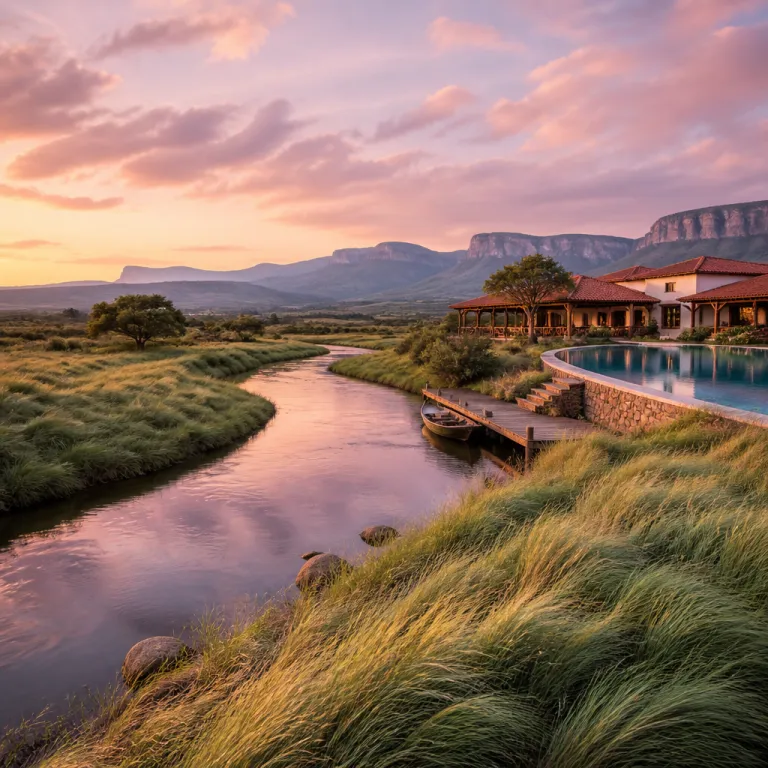
Off the beaten path Colombia luxury for couples who have gone beyond Cartagena
Off the beaten path Colombia luxury really begins where the Caribbean gloss ends. Couples who have already stayed in a polished hotel in Cartagena, wandered the walled city, and sailed past the Rosario Islands often ask what comes next for a deeper trip to Colombia. The answer lies in three regions where you will find emerging comfort, strong local character, and landscapes that feel like a private stage.
Think of the Eastern Llanos, Santander, and Boyacá as a second chapter after Bogotá, Medellín, Santa Marta, and the classic coffee region. Each region offers very different places to visit, from savanna wetlands and canyon cliffs to whitewashed town plazas, yet all still sit just beyond the usual itinerary that most guidebooks propose. For couples, that gap between infrastructure and fame is where the best value, the most attentive service, and the most authentic Colombian hospitality quietly thrive.
These are not destinations for a rushed day trip from a big city. They reward three or four days in each place, slow mornings, and evenings when the only soundtrack is a river, cicadas, or a distant church bell from a colonial town. Refined Colombia travel in these regions is less about a rooftop pool and more about a private walking tour with a llanero guide, a candlelit dinner in a cobbled square, or a sunrise ride across wetlands where you may see more capybaras than people.
The Llanos: Colombia’s quiet answer to the African savanna
Fly east from Bogotá to Yopal and the landscape opens into Los Llanos, a vast region of grasslands, rivers, and wetlands that feels like Colombia’s own low key version of the African savanna. Here, off the beaten path Colombia luxury means private reserves, tented camps, and estancias where llaneros, the traditional cowboys, still lead horseback cattle drives at dawn. The dry season from December to March is widely considered the best time to visit this region, when tracks are firm, wildlife concentrates around water, and a full day in the field feels effortless rather than muddy.
At places to stay such as Savanna Orinoquía Lodge or Corocora Camp, you will find a style of hotel service that is polished but never stiff, with expert guides who know where anacondas bask and which river bends shelter caimans. Conservation organizations and regional biodiversity surveys highlight Los Llanos as one of Colombia’s richest wildlife areas, with hundreds of bird and mammal species recorded, which means every 4x4 tour or horseback ride becomes a rolling wildlife checklist, especially for couples who enjoy birdwatching together.
Days here follow a simple, luxurious rhythm that suits a romantic Colombia vacation. Wake before sunrise for coffee on the deck, then head out on a 4x4 safari or a gentle hike along a gallery forest river, returning by late morning for a long lunch and a siesta. In the afternoon, another tour might focus on birdlife, or you might ride with llaneros as they move cattle, before ending the day with sundowners on the savanna and a sky so dark that the Milky Way feels like a private ceiling; for couples used to the crowds of Tayrona National Park or the beaches near Santa Marta Colombia, that solitude is the real hidden gem.
For first timers who have only sampled the classic Colombian cities and the coffee farms of the Andes, pairing Los Llanos with a few days in Bogotá creates a strong contrast between urban culture and wild nature. You can land in the capital, enjoy a night in a refined city hotel, then fly out the next day to Yopal and be on horseback by late afternoon; the flight usually takes about an hour, and private 4x4 transfers from the airport to lodges such as Savanna Orinoquía typically run one to three hours depending on road conditions. For more context on how this fits into a broader luxury route, see this couples insider map for first time luxury visitors in Colombia on a detailed Colombia couples itinerary guide, then layer Los Llanos into the second half of your journey.
Santander: canyons, colonial towns, and emerging luxury stays
Santander sits north of Bogotá and feels made for couples who like their off the beaten path Colombia luxury with a side of adrenaline. The region’s headline act is Chicamocha Canyon, one of South America’s largest canyons, where paragliding, caving, and rappelling infrastructure now supports serious adventure without sacrificing comfort at the end of the day. A short drive away, the colonial town of Barichara offers cobbled streets, whitewashed houses, and a slower rhythm that balances the canyon’s intensity.
From a luxury perspective, Santander is where you will find small, design forward places to stay in Barichara and nearby San Gil that feel intimate without slipping into the overused boutique label. Properties here often occupy restored colonial houses, with shaded courtyards, plunge pools, and rooms that open directly onto gardens scented with jasmine and coffee blossoms. After a morning hike along the Camino Real trail or a rafting tour on the Río Suárez river, returning to a quiet courtyard with a cold drink and a view over terracotta roofs feels like the best definition of understated Colombian indulgence.
Adventure infrastructure is now robust enough that couples can plan a three or four day stay in Santander without sacrificing safety or comfort. Regional tourism boards summarize the offer succinctly; activities range from hiking and paragliding to exploring colonial towns and nearby rivers. That mix allows you to structure your Colombia itinerary with one day focused on canyon views and paragliding, another on a walking tour of Barichara and a visit to nearby craft villages, and a third on river based activities, always returning to the same calm hotel base each evening.
Reaching Santander usually means a flight or drive from Bogotá to Bucaramanga, then a scenic road journey to Barichara or San Gil that reveals why this region remains slightly off the main beaten path. Direct flights from Bogotá to Bucaramanga generally take about an hour, and private transfers onward to Barichara often require three to four hours, with stops at viewpoints and coffee stalls. For families or couples comparing where to book in Colombia this summer across multiple regions, a detailed region by region hotel guide on where to book in Colombia this summer can help you weigh Santander against more established coastal options like Santa Marta or the resorts near Playa del Mar.
Boyacá and Villa de Leyva: colonial calm within reach of Bogotá
Boyacá is the quiet counterpoint to Colombia’s louder coastal cities, a highland region of terracotta roofs, cool evenings, and villages where time seems to move at a different speed. For couples seeking off the beaten path Colombia luxury without long internal flights, Boyacá is particularly appealing because it sits within a half day drive of Bogotá. The star attraction is Villa de Leyva, often written as Villa Leyva, a colonial town whose vast Plaza Mayor and cobbled streets create a cinematic backdrop for slow travel.
In Villa de Leyva you will find a growing collection of refined places to stay housed in former mansions and countryside fincas, many with thick adobe walls, fireplaces, and courtyards filled with bougainvillea. While some properties market themselves with the boutique hotel label, the real luxury here lies in the details; a perfectly brewed tinto at dawn, a private walking tour through the town’s backstreets, or a late afternoon visit to nearby vineyards followed by a quiet dinner under the stars. Couples can easily spend three days here, using one day for the town itself, another for the desert landscapes and fossil sites, and a third for nearby pottery villages such as Ráquira.
Boyacá also works beautifully as part of a combined itinerary that links it with Santander, creating a loop that starts and ends in Bogotá. You might begin with two nights in Villa de Leyva, then drive north toward San Gil and Barichara, tracing a route that moves from colonial calm to canyon drama while staying firmly off the main beaten path. The drive from Bogotá to Villa de Leyva usually takes three to four hours by private car, and continuing from there to Barichara often adds another five to six hours, so many couples choose a driver guide rather than self driving. For couples planning a June or July escape, the seasonal hotel openings and rate shifts outlined in this guide to what couples should book now before the season locks in on Colombian summer openings for couples can help you time your visit for the best value.
Unlike coastal hubs such as Santa Marta Colombia or the resorts near Tayrona National Park and Playa del Mar, Boyacá’s appeal is not tied to beaches or a single famous national park. Instead, the region offers a string of small places in Colombia where you can pause for a coffee, visit a church, or simply watch daily life unfold in a plaza. For couples who have already done a classic coffee region circuit with visits to coffee farms and now want a different flavor of Colombian culture, Boyacá’s mix of history, landscape, and emerging hospitality feels both grounded and quietly luxurious.
How to stitch these regions into a refined Colombian itinerary
Designing an off the beaten path Colombia luxury itinerary that includes Los Llanos, Santander, and Boyacá requires a little more planning than a straightforward Bogotá to Cartagena to Santa Marta route. The reward is a trip through Colombia that feels personal, uncrowded, and rich in local encounters, with each day shaped around your pace rather than a tour bus schedule. For couples, that means more time lingering over breakfast, more flexibility to add a spontaneous hike or river outing, and more evenings where you share a plaza bench with residents instead of other visitors.
A practical structure is to treat Los Llanos as a standalone chapter, then link Boyacá and Santander into a single overland loop from Bogotá. Start with two or three nights in the capital city to adjust, enjoy a walking tour of La Candelaria, and sample Colombian coffee in serious cafés, then fly to Yopal for four days at a lodge such as Savanna Orinoquía, where each day trip into the savanna reveals new wildlife. After returning to Bogotá, head by road to Villa de Leyva for three nights, then continue to San Gil or Barichara in Santander for another three or four nights focused on canyon views, adventure sports, and slow evenings in town.
Throughout this itinerary structure, you will find that the most memorable places to stay are not always the most obviously luxurious on paper. A small family run hotel in Villa de Leyva with excellent linens, thoughtful service, and strong coffee can feel more indulgent than a larger property in a coastal resort town such as Santa Marta, especially when the staff remember your names and your preferred breakfast. In Santander, a restored house in Barichara with just a handful of rooms may lack a spa, yet the combination of river excursions, canyon hikes, and quiet nights under a clear sky delivers a level of emotional luxury that many couples rate as the best part of their visit.
Compared with more established coastal circuits that combine Cartagena, the Rosario Islands, Santa Marta Colombia, Tayrona National Park, and the resorts of Playa del Mar, this inland route offers better pricing and more space. Because these regions are still slightly off the main beaten path, nightly rates at high quality hotels often undercut similar properties in the Caribbean by a comfortable margin, especially outside peak holiday periods; couples commonly find that a characterful lodge or restored finca here costs less than a comparable five star resort on the coast. That pricing advantage, combined with the depth of local culture and the sense that you have arrived just before everyone else, is what makes Los Llanos, Santander, and Boyacá feel like the Colombian regions luxury travelers have not quite found yet, but soon will.
Who these regions suit best and what to expect on the ground
Los Llanos, Santander, and Boyacá are ideal for couples who have already visited Colombia’s headline cities and coastal resorts and now want a more layered experience. If you have walked Cartagena’s walls, taken a boat to the Rosario Islands, stayed in a polished hotel near Playa del Mar, and perhaps toured the coffee region around Armenia or Manizales, these three regions will feel like a natural next step. They offer the same Colombian warmth and strong coffee, but in places where you will find more locals than visitors on any given day.
On the ground, expect infrastructure that is good but not glossy, which is part of the charm of off the beaten path Colombia luxury. Roads between Bogotá, Villa de Leyva, San Gil, and Barichara are generally paved and safe, though travel times can stretch, so plan each day trip with generous buffers and avoid driving at night. In Los Llanos, access to reserves often involves 4x4 transfers and sometimes river crossings, which is why working with reputable operators such as Wild Llanos or staying at established lodges like Savanna Orinoquía is strongly recommended for both safety and comfort.
These regions also reward travelers who value cultural immersion as much as hotel amenities. In Los Llanos, spending time with llaneros as they work cattle, share music, and explain their relationship with the land can be as powerful as any wildlife sighting, especially when framed by a guide who understands both conservation and local livelihoods. In Boyacá and Santander, a simple walking tour with a local historian through a colonial town, or a visit to a family run pottery workshop, can anchor your Colombia trip in real stories rather than postcard images, leaving you with a sense that you have touched the country’s quieter, more enduring layers.
FAQ
What is the best time of year to visit Los Llanos for wildlife and comfort ?
The most comfortable and rewarding period to visit Los Llanos is the dry season, when tracks are firm and animals concentrate around remaining water sources. Regional experts and lodge operators consistently note that the dry season, from December to March, offers optimal wildlife viewing. Outside those months, rain can make some areas harder to access, so couples seeking comfort and reliable day trips should plan around the drier window.
Are there genuinely luxurious places to stay in these off the beaten path regions ?
Yes, although the luxury is often expressed through privacy, guiding quality, and setting rather than sheer opulence. In Los Llanos, lodges such as Savanna Orinoquía and Corocora Camp offer high service levels, strong guiding, and comfortable tented or cabin style rooms. In Boyacá and Santander, you will find restored colonial houses and countryside fincas that focus on design, linens, and attentive staff, even if they avoid the more obvious trappings of a large city hotel.
How many days should couples plan for Santander and Boyacá together ?
A well balanced loop that links Boyacá and Santander from Bogotá works best with at least six or seven nights. Many couples choose three nights in Villa de Leyva to enjoy the town, nearby desert landscapes, and pottery villages, then three or four nights in Barichara or San Gil for canyon views, hiking, and river activities. This pacing allows for relaxed transfers, unhurried walking tours, and enough time to enjoy each hotel rather than treating it as a simple overnight stop.
Is it easy to combine these regions with classic coastal highlights like Santa Marta and Tayrona National Park ?
Combining inland regions such as Los Llanos, Santander, and Boyacá with coastal hubs like Santa Marta and Tayrona National Park is entirely feasible, but it requires careful routing. Most travelers route through Bogotá between segments, using domestic flights to connect the capital with Santa Marta or Cartagena and then adding overland sections for Boyacá and Santander. Because each transfer can consume a half day, couples should build a minimum of two weeks if they want both the off the beaten path inland luxury and time on the Caribbean coast.
Are these regions suitable for travelers who do not speak Spanish fluently ?
Non Spanish speakers can travel comfortably in these regions, especially if they choose hotels and tour operators that regularly host international guests. In Los Llanos, established lodges and operators usually provide English speaking guides, while in Boyacá and Santander many higher end properties have at least some bilingual staff. Learning a few basic phrases and traveling with written confirmations in Spanish will still enhance your experience and ease interactions with local drivers, shopkeepers, and guides.