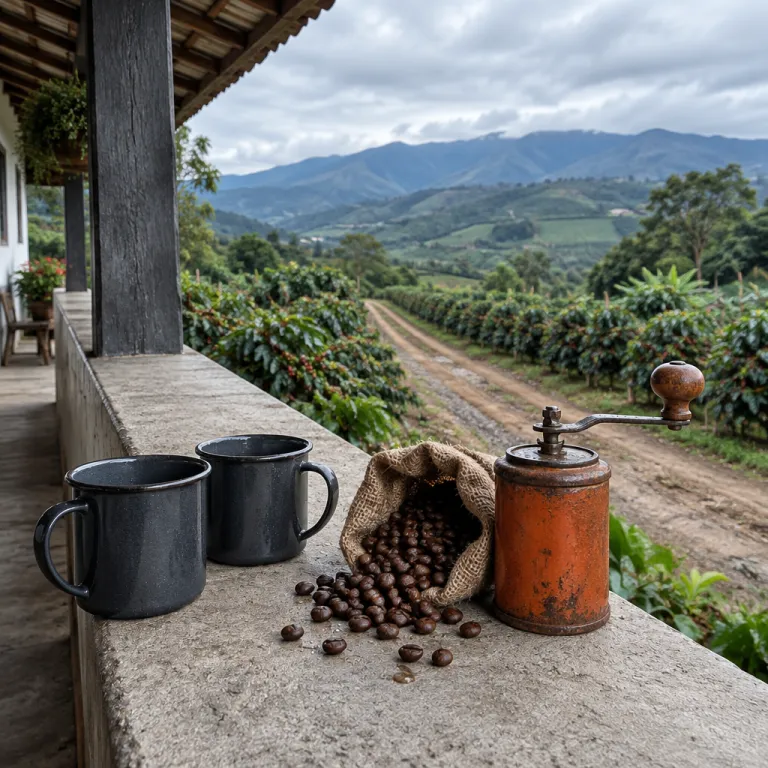
The coffee triangle Colombia harvest season as a living landscape
Arriving in the Coffee Triangle as the main harvest season begins turns a pretty postcard into a working landscape. During this key coffee triangle Colombia harvest season, the hills between Caldas, Quindío and Risaralda shift from quiet green to a mosaic of pickers, sacks and humming machinery. For a couple, this is when colombian coffee culture feels intimate, immediate and intensely romantic.
The coffee region in central south Colombia is not a single uniform zone, but a series of producing regions that breathe with the calendar. Around Manizales and the wider Caldas Risaralda corridor, the principal harvest season usually runs through the last quarter, while a smaller mitaca crop appears in another season. In neighbouring Quindío and the Risaralda Quindío valleys, altitude and slope orientation mean some coffee farms peak slightly earlier or later, so the coffee growing rhythm varies between regions and even between adjacent zones.
What unites these regions is the choreography of coffee production at this time, when coffee growers move through rows of trees selecting only the ripest red cherries. You will read the landscape differently as you watch teams climb steep terraces, hear the rush of water at the wet mills and smell fermentation drifting from open tanks. In this coffee axis of Colombia, the contrast between the wet season showers and bright breaks of sun sharpens every colour on the slopes.
For many travellers, Colombia coffee has long been a label on a supermarket bag rather than a lived experience. Standing on a ridge above Pereira or near a valley outside Manizales during harvest season changes that abstraction into something tactile and human. The country reveals its coffee producing heart, and the Coffee Triangle becomes one of the most compelling cultural hotspots in the national tourism map.
Why October is the couple’s window on origin
October sits at a sweet spot in the coffee triangle Colombia harvest season, when the main crop is in full swing but the slopes are not yet exhausted. In the coffee region around Pereira and the broader caldas risaralda belt, this is when coffee farms are busiest, yet many luxury fincas still have space for couples who plan ahead. The balance between activity and calm makes this season ideal for travellers who want immersion without chaos.
During this period, coffee growers in several regions are deep into coffee production, with pickers moving through the coffee axis from one micro valley to the next. You will read the daily rhythm in the sound of pulping machines, the sight of patios covered in drying parchment and the conversations about prices and quality that animate every porch. This is when colombian coffee feels less like a commodity and more like a shared cultural project across multiple zones of the country.
Weather also plays its part, as the transition between wet season and drier spells creates luminous mornings and dramatic clouds over the coffee growing hills. Couples can wake to cool air, walk among coffee farms while the mist lifts, then retreat to shaded terraces when short showers pass. The alternation between wet season bursts and dry season clarity gives the harvest season a cinematic quality that suits slow, romantic travel.
For readers mapping a wider colombia itinerary, pairing this origin window with other cultural stays creates a refined arc. A romantic finca stay in the coffee region can be followed by an elegant coastal interlude, using a curated guide to refined Colombia South America holidays for cultural hotel connoisseurs to shape the rest of the journey. The key is to treat October in the Coffee Triangle as a fixed anchor in the calendar, then let other regions of Colombia flex around that harvest season.
What a harvest finca stay really feels like for two
Checking into a luxury finca during the coffee triangle Colombia harvest season is less about thread count and more about proximity to origin. The best properties in the coffee region near Salento, Filandia, Pereira or Manizales place you within minutes of working coffee farms, not just landscaped gardens. For a couple, that means you can move from breakfast to the slopes in the time it takes to finish a cup of freshly brewed colombia coffee.
On a typical harvest season morning, you might join coffee growers at first light as they fan out across the rows with baskets at their waists. You will read the difference between unripe green cherries and the deep red fruit that defines colombian coffee quality, learning how coffee producing families in these regions have refined their picking over generations. Back at the beneficio, or wet mill, the cultural choreography continues as cherries are pulped, fermented and washed in a sequence that varies subtly between zones such as caldas risaralda and risaralda quindio.
Many fincas now offer guided tastings that go beyond the familiar Juan Valdez café narrative, linking specific coffee farms to cups on the table. Couples can taste how altitude, soil and microclimate in different producing regions of the coffee axis shape acidity, sweetness and body in the final brew. This is where the abstract idea of coffee colombia becomes a series of precise sensory memories anchored to particular regions and zones.
Afternoons slow down, with the wet season clouds often building over the central south cordillera while you rest by a pool or read on a veranda. When the dry season sun breaks through, the light over the coffee growing hills can feel almost theatrical, especially as workers carry sacks towards the beneficio. Planning a day trip to the Cocora Valley or to other cultural hotspots recommended in an elegant travel guide to the best places to visit in Colombia adds variety without diluting the focus on origin.
Booking strategy for luxury stays in the Coffee Axis
Because the coffee triangle Colombia harvest season is the main window for origin experiences, the most characterful fincas do not stay empty. In the coffee region around Quindío, Pereira and Manizales, many high end properties quietly fill their best rooms months ahead with repeat guests and coffee professionals. Couples who value privacy, strong service and a front row seat to coffee production need a deliberate booking strategy.
Start by deciding which regions of the coffee axis matter most, whether that is the caldas risaralda highlands near Manizales or the softer valleys of risaralda quindio and Quindío. You will read property descriptions carefully, looking for explicit references to working coffee farms, on site coffee growing and access to coffee growers rather than generic countryside language. Prioritise stays where the owners are directly involved in coffee producing, because their calendar will be shaped by the harvest season rather than by generic holiday peaks.
Next, consider how this origin stay fits into a broader colombia journey that might include coastal or urban cultural zones. Many couples pair the coffee region with a refined Caribbean interlude, using a guide to elegant stays by the sea in Santa Marta to balance mountain mornings with evenings by the water. Across the country, the contrast between the Coffee Triangle and cities like Bogotá or Cartagena underlines how diverse colombian cultural experiences can be within a single national itinerary.
Finally, pay attention to how wet season and dry season patterns might affect your specific dates within the harvest season. Some producing regions closer to Valle del Cauca or the slopes above the Valle del Cauca and del Cauca corridors can see heavier showers, while other zones stay relatively stable. A well informed finca host named Juan or a trusted advisor who works closely with coffee growers will help you calibrate expectations so that every day of your stay feels aligned with the rhythm of coffee Colombia.
FAQ
When is the main coffee harvest in the Colombian Coffee Triangle ?
The principal coffee harvest in the Colombian Coffee Triangle typically runs across the last quarter, with variations by altitude and slope. In caldas risaralda and areas around Manizales, the main harvest season often peaks slightly earlier than in some valleys of Quindío and risaralda quindio. Always confirm exact timing with your chosen finca or with the Federación Nacional de Cafeteros, because local conditions can shift the calendar within the coffee region.
Which town is best as a base for couples during harvest ?
For couples, Salento and Filandia in Quindío offer easy access to coffee farms while maintaining a strong cultural atmosphere. Pereira works well if you want better flight connections and proximity to several producing regions across the coffee axis. Manizales appeals to travellers who enjoy a slightly cooler climate and quick access to caldas risaralda highlands during the coffee triangle Colombia harvest season.
How far in advance should we book a luxury finca for October ?
For October stays during the main harvest season, aim to secure a luxury finca at least three to four months ahead. Properties that are deeply involved in coffee growing and coffee production often prioritise repeat guests and coffee professionals, so prime rooms can disappear early. Flexible couples may still find options closer to the date, but the most atmospheric zones of the coffee region usually reward early planning.
Is the weather comfortable for outdoor activities during harvest season ?
During the coffee triangle Colombia harvest season, expect a mix of wet season showers and bright, clear intervals. Temperatures in the central south coffee region are generally mild, with cool mornings and comfortable afternoons that suit walking among coffee farms. Light waterproof layers and good footwear will keep you comfortable as you move between tastings, cultural visits and time on the slopes with coffee growers.
Can non experts meaningfully engage with coffee during a harvest stay ?
You do not need to be a coffee professional to gain deep insight during harvest season in Colombia. Many fincas in the coffee axis design experiences that guide guests gently from basic concepts to more advanced tastings, using the day’s coffee production as a live classroom. Couples who are simply curious will read the landscape differently by the end of their stay, understanding how colombian coffee moves from cherry to cup across different regions and zones of the country.