Reading sierra nevada culture colombia as a family, not as spectators
The sierra nevada culture colombia story begins long before your family reaches the airport in northern Colombia. This mountain range above Santa Marta is the highest coastal mountain system on the Caribbean coast, rising from sea level to more than 5,700 metres (around 18,700 feet) in a near-vertical sweep that feels almost unreal. That geography shapes everything, from the national natural ecosystems and cloud forests to the way Indigenous people organise their cultural and spiritual life.
Within this Sierra Nevada de Santa Marta region, four Indigenous peoples — Kogi, Arhuaco, Wiwa and Kankuamo — hold recognised authority over large protected areas, formally grouped in the Línea Negra ancestral territory recognised by the Colombian state through resolutions such as Resolución 837 de 1995 and subsequent updates. They see the mountain range as a single sacred body, with each river, natural rock and forest carrying obligations for conservation and reciprocity that go far beyond standard national park rules. When luxury travellers arrive speaking only of the Lost City trek or a quick photo stop in a weaving park, the disconnect with this deeper cultural logic becomes obvious to any attentive parent.
For premium families, the question is how to enter this sierra nevada culture colombia landscape without turning Indigenous communities into a backdrop. The women‑led weaving cooperatives near Santa Marta — such as Arhuaca groups around Nabusimake or Wiwa and Kogi associations on the Palomino and Don Diego river corridors, including well‑known initiatives like the Asociación de Artesanas Kankuamas and Arhuaca collectives in Valledupar and Pueblo Bello — are one of the most accessible doors into that world, yet also one of the easiest to mishandle as performance tourism. Approached well, a visit can reframe how children understand South America, biodiversity, and what it means to live beside a national natural park that is also a sacred mountain.
Which luxury properties treat weaving cooperatives as partners, not props
Only a small circle of serious properties around Santa Marta currently broker visits to women‑run weaving cooperatives inside the sierra nevada culture colombia region. On the Caribbean coast near the entrance to Tayrona National Natural Park, a handful of eco‑focused lodges — for example long‑standing projects on the Cañaveral and Los Naranjos stretches of coastline — work with Indigenous communities through multi‑year agreements that respect local governance and conservation priorities. These hotels treat the surrounding forests, rivers and cultural sites as shared spaces rather than private amenities, and they limit group sizes so that Indigenous people set the rhythm of each encounter.
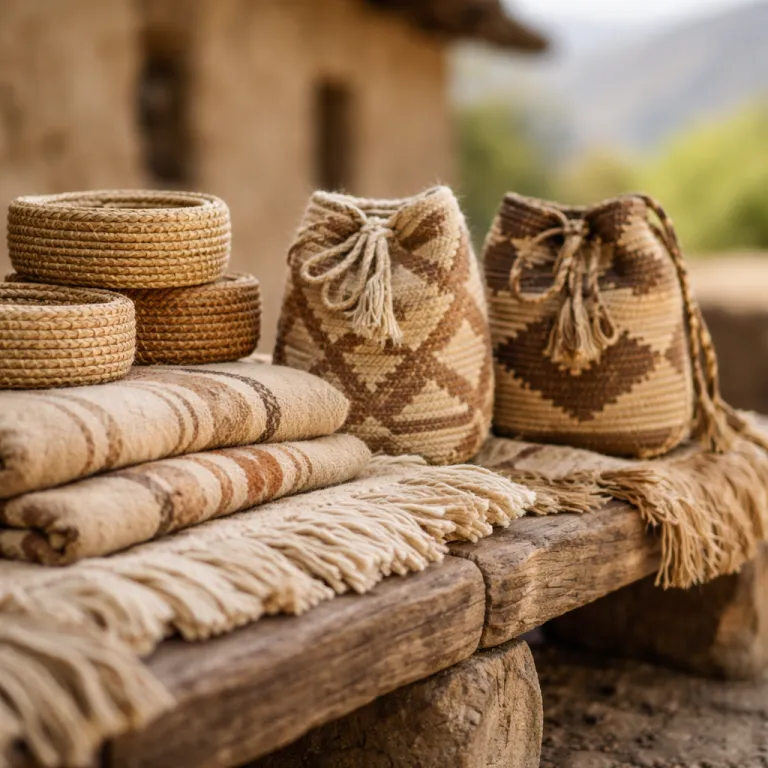
Further up the mountain range on the road that climbs from Santa Marta into the cooler cloud forests, several premium fincas and small luxury lodges near Minca and along the San Lorenzo ridge have developed deeper relationships with Arhuaco and Kogi weaving groups. Here, visits to a natural park area or a nearby river are often combined with time in a cooperative’s shaded workspace, where women explain how each mochila pattern encodes stories about sacred lakes, specific species and the wider region. As one Arhuaca weaver from the Nabusimake area put it to us, “When you carry a mochila, you carry a piece of the Sierra and a responsibility to care for it.” The best hosts brief families carefully on photography, gift protocols and why certain national parks or sacred sites remain off limits, even if maps show them as public land.
When you evaluate properties on a site like MyColombiaStay, look for language that emphasises Indigenous communities as decision makers rather than as an attraction. Our coverage of sustainable luxury stays in Colombia’s mountains and coffee regions, for example in the guide to a coffee triangle itinerary that works for multi generation families, uses the same criteria we apply in the Sierra Nevada de Santa Marta. If a hotel markets access to a weaving park or a quick stop in an Indigenous village without mentioning governance, pricing transparency or conservation, treat that as a red flag rather than a perk.
Preparing children for a substantive visit: from six to late teens
Preparation is what separates a meaningful sierra nevada culture colombia visit from a staged performance, especially for children. Younger kids between six and twelve respond best when the mountain is framed as a living character, a sacred relative for Indigenous peoples rather than just a national park with wildlife and trails. Explain that this highest coastal mountain in South America is home to many species and forests that the Indigenous people care for as guardians, and that your family is entering their home, not an open theme park.
For teenagers, context matters even more, because they will notice contradictions between luxury comforts and local realities. Talk openly about how national parks and other protected areas were often created without consulting Indigenous communities, and how the Kogi, Arhuaco, Wiwa and Kankuamo have fought to regain recognition of their cultural and territorial rights through organisations such as the Organización Gonawindúa Tayrona and the Organización Indígena Gonawindúa Tayrona, which represent Kogi and Wiwa communities in negotiations with the Colombian state. Share that women‑led weaving cooperatives are one way Indigenous communities balance economic needs with conservation, using income from mochila sales to support education, regional governance and biodiversity projects in the mountain range.
Practical briefing is essential across all ages, and hotels that understand sierra nevada culture colombia will help you with this. Before arrival, review photography rules, gift customs and basic phrases in Spanish so that children greet people respectfully rather than pointing cameras first. Resources like MyColombiaStay’s guide to family ready properties in Colombia can help you choose stays where staff are trained to mediate these cultural nuances, not just to arrange transport up the mountain.
Protocols, mochilas and money: what families usually miss
Most missteps during weaving cooperative visits in the Sierra Nevada de Santa Marta come from speed, not malice. Families arrive from Santa Marta or the Caribbean coast with a packed itinerary that squeezes a national park hike, a river swim and a weaving stop into one long day, leaving little time to understand why this mountain is sacred for Indigenous peoples. Slowing down is the first protocol; the second is accepting that Indigenous communities, not hotel staff, set the boundaries around photography, gifts and where you may walk.
Photography is often the most sensitive point, because images of Indigenous people circulate widely while benefits rarely return to the region. A respectful rule of thumb is to ask before every portrait, avoid close‑ups of sacred objects, and never photograph ceremonies or offerings without explicit permission from an Indigenous leader. Hotels that take sierra nevada culture colombia seriously will brief you on these rules and may even ask you to keep certain images off social media, especially those taken near sacred rivers or in areas that function as a natural park for spiritual work rather than tourism.
Buying a mochila is where performance tourism either hardens or dissolves. Treat the purchase not as a quick transaction but as the visible part of a relationship with the weaver, whose patterns often reference specific rivers, forests or peaks such as Cristóbal Colón high in the mountain range. Ask about the meaning of the design, how long it took, and how the price was set; then request a clear explanation from your hotel of how proceeds are shared between the cooperative, the Indigenous communities and any intermediaries. As a rough guide, hand‑woven mochilas from established cooperatives often start around the equivalent of US$60–80 and rise with size and complexity, and pricing transparency is central to ethical travel in northern Colombia.
How a serious cooperative visit reshapes your Sierra Nevada itinerary
Once a family has spent unhurried time with a women‑led weaving cooperative, the rest of a sierra nevada culture colombia itinerary rarely looks the same. The mountain ceases to be just a dramatic backdrop for a national park hike or a Lost City trek and becomes a network of relationships between rivers, forests, species and the Indigenous peoples who care for them. Children who have listened to weavers explain how each mochila encodes obligations to specific natural sites will often question rushed excursions that treat those same places as anonymous viewpoints.
This shift usually leads families to choose fewer stops and longer stays, especially in properties that integrate conservation and cultural respect into their operations. A three‑night base in a serious eco lodge near the boundary of a natural park, for example, allows time for one weaving visit, one guided walk focused on biodiversity and one river day that honours local protocols rather than ignoring them. Parents often report that after a cooperative visit, their children notice how national parks and other protected areas are mapped over Indigenous territories, and they ask sharper questions about who actually benefits from tourism in Colombia.
For premium travellers planning a broader journey across the country, this experience in the Sierra Nevada de Santa Marta can recalibrate expectations elsewhere. You may find yourself seeking out cacao workshops with Indigenous farmers in the Amazon that mirror the weaving cooperatives’ balance between economic activity and cultural conservation, or choosing fincas in the coffee region that prioritise local communities over Instagram moments, as outlined in our honest map of luxury stays from Cartagena to the coffee triangle. In that sense, engaging deeply with sierra nevada culture colombia is less a single excursion and more a template for how your family moves through South America’s most complex landscapes.
Learning from weaving traditions beyond Colombia’s Caribbean coast
Although the focus here is the Sierra Nevada de Santa Marta, it helps to situate these weaving cooperatives within a wider movement to protect endangered textile traditions. In Spain’s Alpujarra region, for example, a workshop like Taller de Jarapas Hilacar in Bubión uses traditional looms and natural dyes to keep local weaving alive in a mountain setting that also depends on sustainable tourism. Their experience shows how hands‑on workshops, guided visits and partnerships with cultural organisations can sustain artisan livelihoods without turning craftspeople into performers for passing visitors.
The parallels with sierra nevada culture colombia are instructive for premium families. In both mountain regions, weaving is more than an economic activity; it is a way of holding memory, mapping rivers and forests, and expressing a relationship with the land that predates any national park boundaries. When local partners say, "Book in advance.", "Respect local customs.", and "Avoid unannounced visits.", they are not just offering logistical tips but setting the ethical frame that keeps cultural visits from sliding into extraction.
For Indigenous communities in northern Colombia, women‑led cooperatives play a similar role to workshops like Hilacar, yet within a context where Indigenous people also carry legal authority over large protected areas. As interest in sustainable travel grows and more national parks promote cultural experiences, the risk of performance tourism increases unless travellers slow down and treat each visit as part of a longer relationship. Approached with that mindset, sierra nevada culture colombia becomes a living classroom for children and adults, where every mochila, river crossing and shared story deepens your understanding of how sacred mountains, biodiversity and human dignity are woven together.
FAQ
Are weaving cooperative visits in the Sierra Nevada de Santa Marta suitable for children?
Visits to women‑led weaving cooperatives in the Sierra Nevada de Santa Marta are generally suitable for children from about six years old. Younger children can engage with the tactile aspects of wool, natural dyes and simple patterns, while older ones can handle more complex conversations about Indigenous peoples and conservation. The key is to brief them beforehand on respectful behaviour, photography rules and why the mountain is considered sacred by local communities.
How long does a typical weaving cooperative visit last for a family?
A focused family visit usually lasts between two and three hours, which aligns with the duration of many hands‑on weaving sessions offered in other mountain regions. This window allows time for introductions, an explanation of cultural protocols, a demonstration of techniques and a thoughtful conversation around mochila designs. Trying to compress the experience into a quick stop between a national park hike and a beach transfer tends to push it toward performance tourism.
How should we book a weaving cooperative visit in the Sierra Nevada?
In the Sierra Nevada de Santa Marta, visits are almost always arranged through vetted hotels or lodges that have formal agreements with Indigenous communities. You should avoid contacting cooperatives directly unless your property explicitly provides those details, because unmediated requests can create pressure on local leaders. The most reliable approach is to choose a property with a clear cultural policy and ask them to explain how bookings are scheduled, how prices are set and how proceeds reach the cooperative. As a quick checklist, confirm that your hotel: (1) works under a written agreement with the community, (2) shares pricing and commission structures in advance, (3) limits group size, and (4) provides a cultural briefing before you visit.
What should we know about buying a mochila from an Indigenous weaver?
Buying a mochila in the Sierra Nevada de Santa Marta is both a purchase and a relationship. You should ask about the meaning of the pattern, the time invested and how the price reflects that labour, then request clarity from your hotel on how the payment is divided between the individual weaver, the cooperative and any intermediaries. Treating the mochila as a story you are entrusted with, rather than a souvenir to bargain over, helps keep the exchange aligned with sierra nevada culture colombia values.
Can we combine a weaving visit with the Lost City trek or other national park activities?
It is possible to combine a weaving cooperative visit with the Lost City trek or hikes in nearby national parks, but doing so requires careful pacing. Many families find it better to schedule the cooperative visit either before or after more physically demanding activities, so that children have the energy and attention for meaningful interaction. Remember that both the Lost City and the weaving cooperatives sit within a sacred mountain landscape, so your overall itinerary should respect local rhythms rather than treating the region as a checklist.