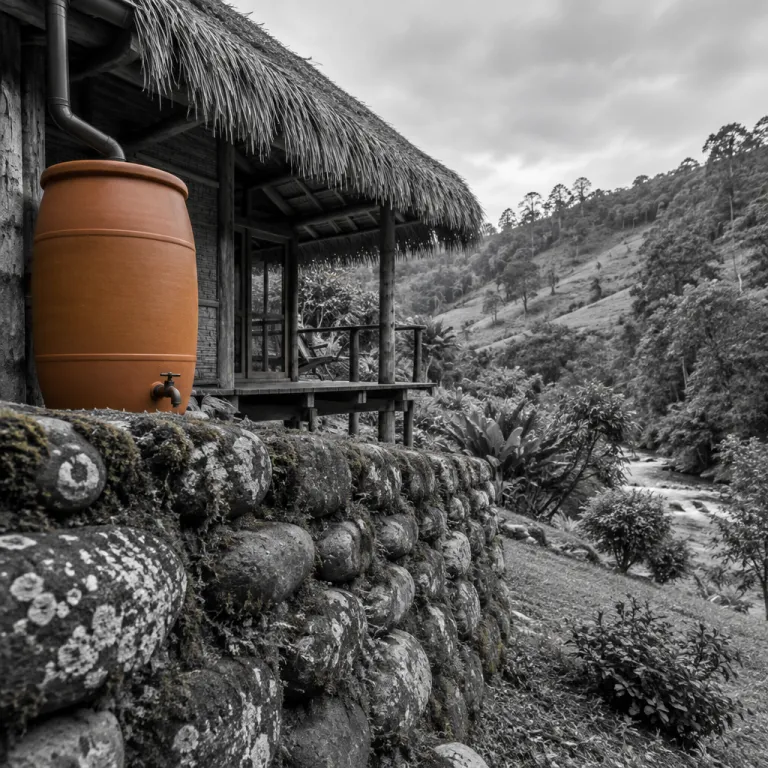
From sustainable tourism to regenerative travel in Colombia
Regenerative tourism in Colombia asks a harder question than comfort. It challenges travelers to choose nature tourism and cultural stays that actively repair ecosystems and strengthen each economy community they touch. In this landscape, luxury means measurable conservation outcomes and meaningful experiences for local communities, not just polished service.
Traditional tourism in Colombia often focused on volume and short term gains. Regenerative tourism Colombia reframes the tourism product as a long term project where each stay funds conservation, restores biodiversity and supports community based initiatives that keep natural resources in local hands. For a solo traveler, that shift turns every travel decision into a quiet but powerful vote for a different colombian future.
Think of sustainable tourism as doing less damage to nature and culture. Regenerative tourism goes further by aiming to leave nature culture, ancestral knowledge and cultural heritage stronger than before travelers arrived. In Colombia, that means lodges that reforest degraded hillsides, invest in community based training and design sustainable practices with local communities, not for them.
What credible regenerative lodges in Colombia actually do
A credible regenerative tourism project in Colombia starts with ownership. When local communities hold equity or share profits, tourism becomes a tool for economic resilience instead of an extractive industry that drains value from colombian landscapes. For a solo guest, choosing these places means your sustainable travel budget directly supports local families rather than distant investors.
On the ground, serious regenerative travel operators treat conservation as core business, not décor. You will see reforestation with native species, wildlife monitoring, and ecotourism sustainable programs that track biodiversity indicators alongside occupancy rates and guest satisfaction. Many of the most interesting properties now publish impact reports, aligning their sustainable practices with Colombia’s broader shift toward more responsible luxury hotel development, a trend explored in depth in this analysis of how Colombia’s evolving luxury pipeline is redefining sustainable hotel stays on mycolombiastay.com.
Social impact runs just as deep as environmental work in regenerative tourism Colombia. Teams recruit and train staff from nearby communities, integrate traditional knowledge into guest experiences and pay above regional averages to strengthen the local economy community. When you see transparent wage policies, clear community based governance and long term partnerships with cultural groups, you are looking at regeneration rather than marketing.
Community based luxury: where comfort funds conservation and culture
Across Colombia, a new generation of lodges treats luxury as a means to regenerate, not a goal in itself. In the coffee region, for example, high end fincas pair polished service with agroforestry projects that shade arabica trees under native canopy and restore natural corridors for birds. Along the Caribbean and Pacific coasts, discreet coastal retreats fund mangrove conservation and community based fishing cooperatives that protect marine biodiversity.
These places design tourism experiences around nature culture rather than around imported clichés. Guests might join ancestral cacao ceremonies, walk with local guides who interpret medicinal plants or learn traditional fishing techniques that have shaped coastal communities for centuries. The result is a form of sustainable travel where meaningful experiences and cultural heritage preservation are inseparable from comfort, turning each stay into a living classroom for regenerative tourism Colombia.
For solo travelers, this model offers both intimacy and impact in equal measure. You can spend a morning birdwatching in cloud forest, then sit with elders to hear stories about traditional tourism before mass arrivals reshaped the valley. Colombia’s national strategy toward slower, more community based itineraries, explored in the guide to Colombia’s slow tourism pivot on mycolombiastay.com, gives these lodges a policy framework that rewards long term thinking over quick wins.
How to read between the lines and avoid greenwashing
Marketing language around sustainable tourism in Colombia has become crowded and confusing. Many properties now reference regenerative tourism, ecotourism sustainable initiatives or community based projects without offering evidence that anything in their operations has truly changed. As a solo traveler, your questions and booking choices can cut through that noise with surprising precision.
Start by asking who owns the lodge and how profits flow back into the surrounding community. Genuine community based tourism means local stakeholders sit on decision making boards, shape the tourism product and share in long term revenue, not just seasonal wages. When a property can explain exactly how it is supporting local education, conservation or cultural heritage programs, you are hearing the language of accountability rather than slogans.
Next, look for numbers and timelines instead of vague promises about nature or sustainability. Serious operators can tell you how many hectares of natural forest they help protect, how many local jobs they sustain year round and which specific natural resources they manage under formal agreements. For a nuanced, region by region view of where security, access and regeneration intersect, the in depth briefing on where Colombia’s security disruptions leave luxury itineraries at mycolombiastay.com is an essential companion.
Designing a regenerative Colombia itinerary as a solo traveler
Planning regenerative travel in Colombia as a solo guest starts with mapping ecosystems, not just cities. Think in terms of valleys, watersheds and coastlines, then look for lodges where your stay funds conservation and community based initiatives in those specific landscapes. This approach turns each transfer into a narrative thread connecting nature tourism, cultural immersion and economic resilience.
In the Andes, you might pair a high altitude lodge that restores páramo wetlands with a lower valley stay that experiments with regenerative agriculture and traditional crops. On the Caribbean coast, combine a coastal retreat that supports coral conservation with a mountain property where ancestral communities lead cultural experiences and manage visitor flows to protect sacred sites. Across these routes, prioritize operators that publish impact data, use sustainable practices in water and energy management and maintain long term partnerships with local communities rather than one off donations.
Regenerative tourism Colombia is still a spectrum, and very few properties tick every box perfectly. Your role as a traveler is not to chase purity but to reward honest progress, transparent reporting and humility about what remains to be done. When enough guests consistently support local operators that treat tourism as a shared project with communities and nature, the entire colombian hospitality landscape shifts toward regeneration.
FAQ
How is regenerative tourism in Colombia different from sustainable tourism ?
Sustainable tourism in Colombia focuses on reducing negative impacts from travel, such as lowering waste, saving water and limiting damage to natural resources. Regenerative tourism Colombia goes further by aiming to restore ecosystems, strengthen local communities and enhance cultural heritage beyond their previous state. In practice, that means projects like reforestation, community ownership models and long term investments in conservation and culture.
What should I look for when booking a regenerative lodge in Colombia ?
Look for clear information about who owns the lodge, how profits support local communities and which conservation or cultural projects your stay funds. Credible operators will describe specific sustainable practices, such as native species reforestation, water treatment systems and community based training programs, rather than vague green language. If a property can explain its impact on biodiversity, cultural heritage and the local economy community with real numbers, it is usually a strong sign.
Can luxury travel in Colombia really support local communities and nature ?
Yes, when designed carefully, high end tourism can generate the revenue needed for ambitious conservation and community based initiatives. In Colombia, some lodges use premium rates to finance habitat restoration, fund scholarships and create stable jobs that keep younger generations rooted in their territories. The key is choosing operators that prioritize supporting local partners and long term regeneration over short term profit.
Is regenerative travel in Colombia safe for solo travelers ?
Many regenerative lodges in Colombia are located in rural or remote areas, so safety depends on route planning and up to date local advice. Reputable properties maintain close relationships with nearby communities and authorities, monitor conditions and arrange secure transfers for guests. Solo travelers should work with trusted platforms such as mycolombiastay.com, which track regional dynamics and curate stays with strong community ties and transparent practices.
Does choosing regenerative tourism in Colombia cost significantly more ?
Regenerative lodges in Colombia often sit in the premium price bracket because they invest heavily in staff training, conservation work and community based projects. However, the higher rate usually includes richer experiences, such as guided nature walks, cultural activities and farm to table cuisine that reflect local traditions. For many travelers, the added cost feels justified by the combination of comfort, meaningful experiences and tangible positive impact.