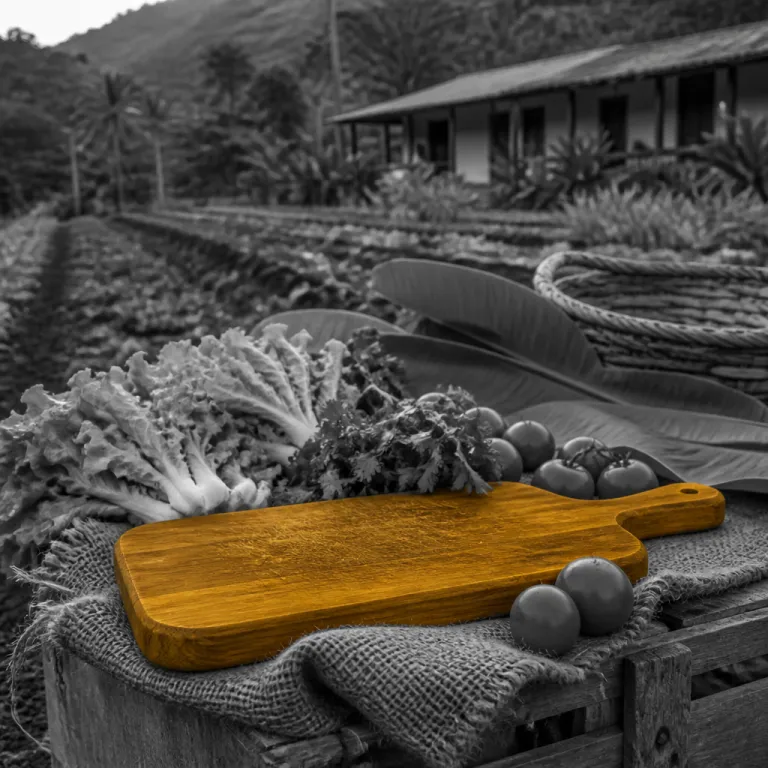
The new Colombia farm to table dining circuit for premium families
Colombia farm to table dining has shifted from niche tasting rooms in Bogotá to a nationwide circuit that families can actually plan around. Luxury hotels now design full day itineraries where children walk a working farm in the morning and sit down to a polished table dining service at night, understanding how fruits, vegetables, herbs and grains moved from soil to plate. For premium family travelers, this creates a dining experience that feels both indulgent and deeply local, with colombian cuisine framed as a living classroom rather than a static restaurant menu.
Across Colombia, eight leading farm table restaurants anchor this movement, each partnering with local farmers and using sourced ingredients that stay within their region. In Bogotá, Mesa Franca, Mini Mal, De Rivero Bistró, Co and Abasto Quinta Camacho all build menus around locally sourced produce, while Casa M near Medellín and Sambal Bistro in Cartagena extend colombia farm to table dining into the mountains and the Caribbean coast. YAY Sustainable, set in the Sierra Nevada jungle, completes the picture with a table restaurant concept where the dining options are literally steps from the cacao trees and coffee shrubs that supply the kitchen.
These restaurants share a simple philosophy that resonates with families who care about sustainable travel and quality ingredients. As one concise definition puts it, “What is farm-to-table dining? A dining approach where ingredients are sourced directly from local farms.” That clarity helps parents explain to children why their colombian food tastes so fresh, why the vegetables herbs are different in each region, and how dining spots that respect local food culture can support both ecosystems and communities.
From Bogotá tasting rooms to hands-on farm visits with kids
Bogotá remains the intellectual capital of colombia farm to table dining, but the energy has moved beyond white tablecloths into orchards, coffee groves and teaching kitchens. Families still book a refined dining experience at a leading Bogotá restaurant, then pair it with a day trip to a nearby farm where children can pick fruits, vegetables and tropical fruits that later reappear on tasting menus. For travelers planning a city stay, reading about Colombia’s next wave of chef driven restaurants worth booking offers a useful bridge between urban restaurants and rural table dining projects.
Restaurants such as Mini Mal and Abasto Quinta Camacho work closely with local farmers in the Andean region, turning sourced ingredients into colombian cuisine that feels both familiar and surprising for younger palates. Parents can request shorter menus or child friendly dishes, while still enjoying sophisticated dining options that highlight fresh vegetables herbs, heritage grains and river fish. These Bogotá dining spots often explain which national park or highland valley supplied the coffee, cacao or fruits vegetables on the plate, giving children a mental map of Colombia that goes far beyond a classroom atlas.
For premium families, the key is balance between education and ease. A morning on a farm outside Bogotá, followed by a relaxed lunch at a table restaurant like Co or De Rivero Bistró, keeps the experience engaging without overwhelming younger children. Colombia farm to table dining in the capital now feels less like a formal performance and more like a series of connected dining experiences, where every restaurant visit extends a story that began in the soil.
Coffee fincas and cacao farms: fieldwork for curious children
The Eje Cafetero, Colombia’s coffee region, may be the most natural entry point for families exploring colombia farm to table dining. Many fincas near Salento, Filandia and Manizales welcome children for half day or full day visits, guiding them through coffee picking, washing and drying before a gentle tasting session that respects young taste buds. Parents can then return to their luxury hotel and order a table dining service where that same coffee appears in desserts, sauces or even savory dishes.
These coffee experiences are highly adaptable by age, which matters for premium families traveling with siblings at different stages. Younger children might focus on spotting birds near a national park boundary or sorting red and green cherries, while teenagers learn how locally sourced beans move from farm table to export markets and back into colombian restaurant culture. A well briefed hotel concierge in Medellín or Bogotá can suggest specific fincas that prioritize sustainable practices, use quality ingredients in their on site lunches and maintain strong relationships with local farmers.
Further north, Santander is emerging as Colombia’s cacao heartland, ideal for families who want their colombia farm to table dining to include chocolate as well as coffee. Here, children can crack cacao pods, taste the pulp, then follow the beans through fermentation and roasting before sampling colombian cuisine desserts that showcase single origin chocolate. For context on how these field experiences influence high end menus in the capital, reading about Leo’s cycle biome menu for Bogotá itineraries helps families connect rural sourced ingredients with urban dining spots.
Caribbean, Pacific and mountain tables: regional flavors for family stays
Once families understand the basics of colombia farm to table dining in the Andes and coffee region, the next step is to follow the flavors to the coasts and highlands. On the Caribbean side, Cartagena hotels increasingly collaborate with restaurants such as Sambal Bistro, where locally sourced seafood, tropical fruits and vegetables herbs from nearby farms shape both lunch and dinner menus. Children can visit a small farm outside the city in the morning, then recognize the same fruits vegetables and herbs in ceviches, rice dishes and grilled fish at a polished table restaurant that evening.
The Pacific coast offers a different set of dining experiences, rooted in Afro Colombian food culture and ancestral techniques. Here, families encounter dishes built around plantain, coconut, river fish and shellfish, often sourced from communities near a national park coastline or mangrove forest. While infrastructure is more rustic than in Cartagena or Bogotá, premium travelers who value sustainable tourism often find that these dining spots deliver some of the most memorable colombian cuisine, precisely because the connection between local farmers, fishers and restaurant kitchens is so direct.
Back in the mountains near Medellín, Casa M shows how colombia farm to table dining can feel both rustic and refined for families. The restaurant works with nearby farms to secure quality ingredients, then serves comforting colombian food that appeals to children while still surprising adults with thoughtful sauces and seasonal vegetables herbs. For travelers interested in how these rural partnerships intersect with eco conscious lodging, a guide to Sierra Nevada eco lodges and unpolished sustainability offers a useful lens on farm table collaborations that extend beyond a single meal.
How luxury hotels turn field visits into polished family dinners
For premium families, the real magic of colombia farm to table dining lies in how hotels choreograph the arc from field to plate. A well designed itinerary might start with a morning visit to a farm where children help harvest fruits vegetables, feed animals or walk through coffee rows, followed by a relaxed afternoon at the pool and an early evening table dining service that references the day’s activities. When the restaurant team explains that tonight’s colombian dishes use the same sourced ingredients the children handled, the dining experience becomes both narrative and nourishing.
Leading hotels in Bogotá, Medellín and Cartagena now treat farm partnerships as core infrastructure rather than marketing garnish. Chefs work directly with local farmers to secure quality ingredients, then build menus that shift with the seasons and the realities of each region, from highland potatoes to coastal tropical fruits. Parents can ask detailed asked questions about which farms supplied specific colombian cuisine elements, how the hotel manages food waste and what steps are taken to keep the supply chain sustainable for both producers and ecosystems.
Planning these experiences requires attention to logistics, especially for families traveling with younger children. Not every farm near a national park or city accepts family groups, and some require minimum ages or limit group sizes to protect crops and animals. A good hotel concierge will help guests skip content that feels performative, steering them instead toward authentic dining spots and farm visits where locally sourced food, thoughtful hospitality and colombia farm to table dining principles align in a way that feels both luxurious and genuinely local.
Frequently asked questions about Colombia farm to table dining for families
What is farm to table dining in Colombia and why does it matter for families ?
In Colombia, farm to table dining means that restaurants and hotels source ingredients directly from nearby farms, fisheries and small producers, then build menus around what is fresh and seasonal. This approach supports local farmers, keeps colombian food culture rooted in each region and gives children a clear sense of where their meals originate. For families, it turns a standard restaurant visit into a dining experience that is educational, sustainable and often more flavorful.
Are there many farm to table restaurants in Colombia’s main cities ?
There are at least eight notable farm table restaurants across Colombia, with a strong concentration in Bogotá and growing representation in Medellín, Cartagena and the Sierra Nevada region. Places such as Mesa Franca, Mini Mal, De Rivero Bistró, Co and Abasto Quinta Camacho in Bogotá, Casa M near Medellín, Sambal Bistro in Cartagena and YAY Sustainable in the jungle all prioritize locally sourced, high quality ingredients. These restaurants offer varied dining options, from casual lunches to refined dinners, making it easy for families to integrate colombia farm to table dining into urban itineraries.
How can I plan farm visits and dining experiences that work for children of different ages ?
The most successful itineraries match the length and intensity of each farm visit to your children’s ages and interests. Short half day trips to a coffee farm, cacao plantation or small vegetable farm usually work best, leaving time to rest before an evening table restaurant booking. When speaking with your hotel or tour planner, explain your children’s ages, attention spans and any dietary preferences so they can suggest specific farms, restaurants and dining spots that align with your family’s needs.
Do Colombian farm to table restaurants accommodate dietary restrictions and picky eaters ?
Many colombia farm to table dining venues are used to hosting international travelers and can adapt dishes for common dietary needs such as vegetarian, gluten free or dairy free. Because chefs work closely with local farmers and handle sourced ingredients directly, they usually know exactly what goes into each plate and can adjust seasoning, sauces or side dishes for children. It is still wise to mention any restrictions when you make a reservation, so the restaurant team can plan appropriate menus in advance.
When is the best time of year to enjoy farm to table dining experiences in Colombia ?
Colombia’s equatorial climate and varied altitudes mean that some form of farm to table dining is available year round, though specific fruits, vegetables and regional dishes will change with the seasons. Coffee and cacao experiences in the Eje Cafetero and Santander often run throughout the year, while coastal seafood and tropical fruits may peak at different times depending on local conditions. Rather than chasing a single “perfect” season, families can focus on choosing regions that match their interests, then let chefs and local farmers guide them toward whatever is freshest during their stay.