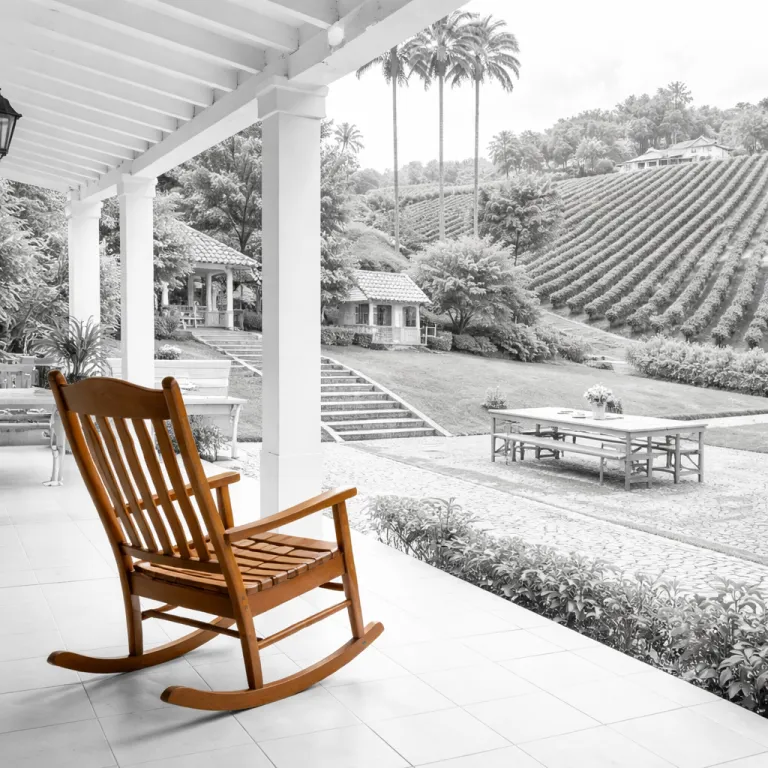
Why the coffee region suits a multi generation family
The coffee region in Colombia gives families rare breathing space. Rolling hills, slow roads and compact towns in the Eje Cafetero create a soft landing for grandparents, parents and kids who want comfort without losing a sense of place. For a family itinerary in Colombia’s coffee heartland, the rhythm of each day matters more than ticking off every tour or valley on a list.
Here, Colombian coffee culture is not a theme park; it is the daily work of smallholder farmers tending two hectare plots on steep slopes. Officially, the Eje Cafetero covers parts of Caldas, Quindío and Risaralda and produces around 15–20% of Colombia’s annual coffee harvest, and most families still grow coffee on small farms using traditional methods. Those two facts shape every farm visit and every coffee tour you will book. When you visit a finca with your family, you are stepping into a living economic engine where coffee plantations, small villages and local schools are tightly linked.
For premium families, the coffee triangle works best as a stand alone trip, not an add on to Cartagena in the same week. Trying to combine the Caribbean coast and the coffee belt in one short journey will usually exhaust grandparents and kids, because flight connections, altitude changes and road transfers stack up quickly. A more thoughtful plan keeps the focus on one region, then saves a separate visit to Cartagena for a coastal road trip or a celebration stay in a walled city hotel.
Choosing your gateway: Pereira versus Manizales
When you travel as a family, the first airport into Colombia coffee country shapes everything. Pereira (PEI) works better for most premium families because the drive times to key towns like Salento, Filandia and the Cocora Valley are shorter and the roads are gentler for older relatives. Manizales (MZL) sits higher, closer to Los Nevados National Natural Park, which is spectacular but can be harder on grandparents who feel altitude quickly.
From Pereira, you reach many fincas and haciendas within one hour — Salento is about 45 minutes (25 km), Filandia around 40 minutes (22 km) on paved but winding roads — which keeps kids happier and gives you a softer first day. From Manizales, the scenery is dramatic and the access to Los Nevados and highland valleys is excellent, but narrow mountain routes and occasional roadworks can stretch a simple tour into a long day. For a mixed age group, flying into Pereira usually means more time at the hotel pool and less time in a van.
Whichever airport you choose, plan your first afternoon as a light farm tour or a gentle walk, not a full day of excursions. Let kids explore the gardens of your hacienda, taste their first Colombian coffee flavoured ice cream and watch the condor like silhouettes of birds riding the thermals over the valley. That slow start will set the tone for the rest of your trip.
Three fincas to book entirely for premium families
Many traditional fincas in the coffee region were built as large family homes, which makes them ideal for a multi generation stay. Booking an entire main house gives you privacy, flexible meal times and space for kids to roam without worrying about other guests. It also turns the hotel into your own Colombian coffee base, where each day’s tour starts and ends on your terms.
Casa San Carlos Lodge, near Pereira in Risaralda, is a standout for families who want discreet luxury and serious comfort. The main house typically offers several suites that can be combined for a family, and the surrounding coffee plantations and citrus trees create a cinematic valley backdrop. Staff can arrange a private coffee tour, a gentle horse ride or a farm walk through the orchards, and younger kids will remember the pool and the hummingbirds more than any museum.
For families who like a slightly wilder setting, look at properties near the Cocora Valley and Salento that offer whole house rentals with four to six bedrooms. These fincas often sit on ridgelines with views towards wax palms and the distant peaks of Los Nevados, yet they remain within a short drive of Salento’s cafés and artisan shops. Grandparents can stay back at the house with a book and a cup of Colombian coffee while parents and teenagers head out on a half day hike or a guided coffee tour.
The grandparent factor and walking distances
Altitude and walking distances are non negotiable considerations when you plan a family trip in the coffee belt. Properties in lower valleys around Armenia, Pereira and the Rio Barragán tend to sit between 1 200 and 1 600 meters above sea level, which most grandparents handle comfortably. Fincas closer to Los Nevados or perched above Manizales can reach 2 000 meters or more, which may affect sleep and energy levels for older guests.
Look for a hotel or hacienda where rooms cluster around a central courtyard or pool, so grandparents do not face steep stairs or long walks to meals. Many traditional Colombian coffee houses were designed exactly this way, with wraparound balconies and ground floor dining rooms that suit all ages. When you read property descriptions on a luxury booking website, pay attention to phrases like “steep driveway”, “hillside setting” or “no elevator”; those details will matter more to grandparents than the thread count.
In towns like Salento and Filandia, choose accommodations on flatter streets close to the main square, which reduces the need for constant uphill walks. Salento’s centre is compact, and a short taxi ride from your hotel back to the plaza can save energy at the end of a long day. For a multi generation group, these small logistical choices often determine whether grandparents feel included in every visit and tour or quietly opt out.
Cartagena versus the coffee region for one focused stay
Families often ask whether they should split a single week between Cartagena and the coffee region. For a premium family that values slow mornings, long lunches and unhurried tours, the honest answer is usually no. Cartagena deserves its own trip, especially if you are planning refined celebrations or scouting elegant wedding locations in the walled city.
If your heart is set on the Caribbean, consider a future stay focused entirely on Cartagena’s historic centre and nearby islands. You can research refined venues and hotels through a detailed guide to Cartagena wedding locations for sophisticated celebrations, then return to the coffee triangle another season. Separating the two regions keeps flight schedules simple, gives kids clearer memories and allows grandparents to settle into one climate and one rhythm.
When you keep your current trip centred on the eje cafetero, every day can balance a light tour, relaxed pool time and an early dinner. That balance is what turns a family holiday in Colombia’s coffee heartland into something restorative rather than a rushed checklist. Cartagena will still be there when you are ready for a coastal chapter.
Designing days that work for kids, tweens and teenagers
Thoughtful day programming is the difference between a memorable coffee country escape and a tiring one. Children of different ages engage with Colombia’s coffee landscape in very different ways, and the best hotels understand this. When you plan each day, think in half day blocks rather than marathon tours.
For kids aged six to ten, keep mornings active and tactile. A short farm tour where they can pick ripe coffee cherries, feed chickens and ride in a Willys Jeep through the valley will feel like an adventure, especially if it ends with hot chocolate and a tiny sip of mild Colombian coffee. Many coffee plantations now design family friendly experiences that explain the bean to cup journey with games, maps and chocolate pairings.
Children aged ten to fourteen usually enjoy a slightly more technical coffee tour, especially if guides explain how altitude, soil and shade trees affect flavour. They can handle a longer walk through coffee plantations and will ask sharper questions about Colombian coffee exports, sustainable practices and direct trade. Afternoons can shift to kayaking on the Rio Barragán, gentle horse riding or a visit to a nearby parque del café style attraction, where rides and shows add variety.
Teenagers and origin focused experiences
Teenagers often respond best when treated as young adults, especially in a multi generation context. Invite them to join a cupping session at the hotel, where they can taste different lots of Colombia coffee side by side and learn how professionals score aroma, acidity and body. Many fincas will adapt these tastings with chocolate and fruit pairings so younger siblings can participate without too much caffeine.
Adventure wise, teenagers usually relish a full day hike in the Cocora Valley, where wax palms rise up to 60 meters and the trail passes through cloud forest and open pasture. A good guide will pace the walk for the whole family, pointing out condor like raptors, orchids and the traditional farmhouses that still anchor this valley. Hot air balloon flights at dawn, mountain biking on quiet back roads and longer horse rides between villages can round out a week without feeling repetitive.
For families with very active teens, consider structuring the trip as a gentle road journey across the coffee triangle. Start near Armenia or Pereira, then move towards Salento and finally to quieter corners near Filandia or the Rio La Vieja, staying in two or three fincas rather than one hotel. A detailed insider map to characterful fincas between Salento and Filandia can still be useful for families, even if it was originally written for solo travellers.
Balancing structured tours with unplanned time
Families sometimes over schedule their itinerary with back to back tours. The most rewarding days usually include one structured activity and long stretches of unplanned time at the hacienda. Kids need space to invent their own games in the garden, while grandparents appreciate quiet corners with a view over the valley.
Ask your hotel to arrange flexible, private tours rather than joining large mixed groups. A private coffee tour or farm visit can be shortened on the spot if younger kids fade, and guides can adjust explanations for different ages. This flexibility is especially valuable when you visit places like Cocora Valley or Los Nevados, where weather can change quickly.
Unstructured afternoons are also when you will notice the small details that define Colombian hospitality. The tinto that appears just as the mist lifts, the way staff remember each child’s name, the stories farmers share about harvest days and planting seasons. Those moments rarely appear in a brochure, yet they are what families talk about long after the trip.
Cocora Valley, Salento and cultural hotspots that suit families
The classic image of a family trip to the coffee region is a line of wax palms piercing the clouds in Cocora Valley. This one day excursion works for almost every age, as long as you choose the right route and pace. Many families opt for a shorter loop that focuses on viewpoints and valley floors rather than steep climbs, which still delivers the drama without exhausting grandparents.
Start early from your hotel near Salento or Armenia to reach Cocora before the main crowds. The drive from Salento to the valley takes around thirty minutes, passing coffee plantations, cattle pastures and small Colombian coffee farms that show how closely agriculture and daily life intertwine. Once in the valley, you can mix walking with short horse rides, stopping at simple cafés for hot chocolate, arepas and a view of the palms.
Salento itself is a cultural hotspot that feels manageable for families. The town’s low traffic streets, colourful balconies and central plaza make it easy to wander with kids, and grandparents can rest on benches while others explore side alleys. Artisan shops sell everything from woven bags to coffee beans from nearby farms, and a short climb to the mirador rewards you with a wide view over the valley and the patchwork of coffee plantations.
Filandia, cultural parks and condor legends
Filandia, a smaller town north of Salento, offers a quieter, more local atmosphere. Its restored colonial houses, cafés and restaurants attract Colombian families on weekends, which gives visiting families a sense of everyday life in the region. The mirador outside town looks over rolling hills, valleys and distant peaks, and on clear days you can imagine condor silhouettes gliding along the ridgelines.
Several cultural parks in the eje cafetero, including the well known coffee themed parque del café near Montenegro, blend rides, shows and educational exhibits. These parks can anchor a full day for kids who need a break from more serious tours, while still teaching them about Colombian coffee history and rural traditions. Plan them as a contrast to quieter days on the farm, not as the main focus of your trip.
Families interested in birdlife and Andean myths sometimes seek out lodges and viewpoints associated with names like Nido del Cóndor or Del Cóndor, even if they sit slightly outside the classic coffee triangle. These places highlight the link between highland ecosystems, condor conservation and traditional stories told in farming communities. A family itinerary that includes one such visit adds depth beyond the usual farm and valley circuit.
Respecting working farms and local rhythms
Many of the most atmospheric places you will visit in the coffee region are working farms, not staged attractions. Colombian coffee farmers balance tours with harvest schedules, cooperative deliveries and family life, so flexibility and respect go a long way. When a guide explains that planting runs from roughly March to May and harvest from about September to December, it is not trivia; it is the calendar that shapes every day.
Average farm sizes in the region hover around two hectares, which means you are often walking through a family’s entire livelihood during a farm tour. Sustainable practices and direct trade relationships help these families maintain economic stability and preserve cultural heritage, and your visit contributes when handled thoughtfully. Encourage kids to ask questions about tools, methods and partners, because those conversations turn a simple tour into a meaningful exchange.
Some fincas also grow cacao, plantains and citrus alongside coffee, which broadens the story beyond a single crop. Tasting a ripe orange straight from the tree or watching beans dry on raised beds helps children connect their daily breakfast to real landscapes. For many families, these small sensory experiences often outshine any formal museum visit.
Logistics, hotel selection and avoiding common family mistakes
Choosing the right hotel in the coffee region is as strategic as picking the right valley. For a multi generation group, location, room configuration and on site activities matter more than a long amenities list. Many fincas offer multi bedroom main houses that can be booked entirely, turning a traditional Colombian coffee estate into your private base.
When you evaluate properties on a luxury booking website, look beyond generic labels and focus on specifics. How many interconnected rooms does the main house offer, and can the hotel add extra beds for kids without compromising comfort? Does the hacienda provide child friendly menus, early dinner options and flexible breakfast times for early risers returning from a sunrise coffee tour or hot air balloon flight.
Families who value design and service can cross reference their shortlist with a broader guide to the best resorts in Colombia for discerning travellers. This helps you understand how a coffee region property compares with coastal and urban hotels across Colombia. It also clarifies when to prioritise a characterful farm setting over a more polished but less rooted hotel.
Transport, road trips and realistic pacing
Transport is where many family plans in the coffee belt quietly unravel. Distances on the map look short, but winding roads and occasional roadworks can stretch a simple transfer into a long day. Hiring a private driver who knows the region’s backroads is usually worth the cost for comfort and safety.
If you enjoy driving, a self guided road trip across the coffee triangle can work, but keep daily legs under three hours. Build in unscheduled stops at viewpoints, roadside cafés and small towns, where kids can stretch and grandparents can enjoy a slow tinto. Always ask your hotel about current road conditions before committing to ambitious cross valley drives.
Try to avoid changing hotels every night, which fragments the experience and tires everyone. Two bases — one near Armenia or Pereira, another near Salento or Filandia — usually give enough variety for a week. This structure lets you reach Cocora Valley, cultural parks and quieter coffee plantations without constant packing and unpacking.
The Cartagena plus coffee triangle trap
The most common mistake premium families make is forcing Cartagena and the coffee triangle into a single short itinerary. On paper, the combination of a Caribbean walled city and a green coffee region looks irresistible. In practice, multiple domestic flights, airport transfers and climate shifts can leave kids and grandparents drained.
A more sustainable approach is to treat each region as its own chapter in your Colombia travel story. Dedicate one trip to Cartagena, its nearby islands and the refined hotels of the historic centre, then plan a separate journey focused on valleys, farms and fincas in the interior. This separation allows you to align each trip with the right season, family energy levels and celebration moments.
When you give the coffee region its own space, you also give yourself permission to slow down. Mornings can start with mist over the valley and the finca owner brewing tinto at 5 a.m., while kids sleep in and grandparents watch birds from the veranda. Those are the quiet luxuries that define a truly premium family stay in Colombia coffee country.
FAQ
What is the Eje Cafetero and why is it ideal for families ?
The Eje Cafetero is the central coffee growing region of Colombia, known for rolling hills, compact towns and working coffee farms. Its moderate climate, short driving distances and mix of cultural and outdoor activities make it well suited to a family trip. Families can balance farm visits, gentle hikes and pool time without long transfers.
How many days should a family spend in the coffee region ?
Most premium families should plan at least five to seven days in the coffee region. This allows time for a Cocora Valley hike, one or two coffee tours, a visit to Salento or Filandia and several relaxed days at the hacienda. Shorter stays often feel rushed, especially when travelling with grandparents and younger kids.
Are coffee farm tours appropriate for children ?
Yes, many coffee farm tours in the eje cafetero are designed for families. Guides adapt explanations for different ages, and children can participate in simple activities like picking cherries, grinding beans and tasting chocolate. Parents can sample Colombian coffee while kids enjoy hot chocolate or fruit based drinks.
Is Cocora Valley suitable for older travellers and young kids ?
Cocora Valley offers several routes, including shorter, flatter options that work for most grandparents and children. Families can combine walking with short horse rides and frequent rest stops at cafés. Choosing the right trail and starting early in the day keeps the experience enjoyable for all ages.
Should we visit Cartagena and the coffee region in one trip ?
Combining Cartagena and the coffee region in a single short trip often leads to fatigue because of multiple flights and climate changes. Many premium families prefer to dedicate one journey to Cartagena and another to the coffee triangle. This approach allows a deeper, more relaxed experience in each region.