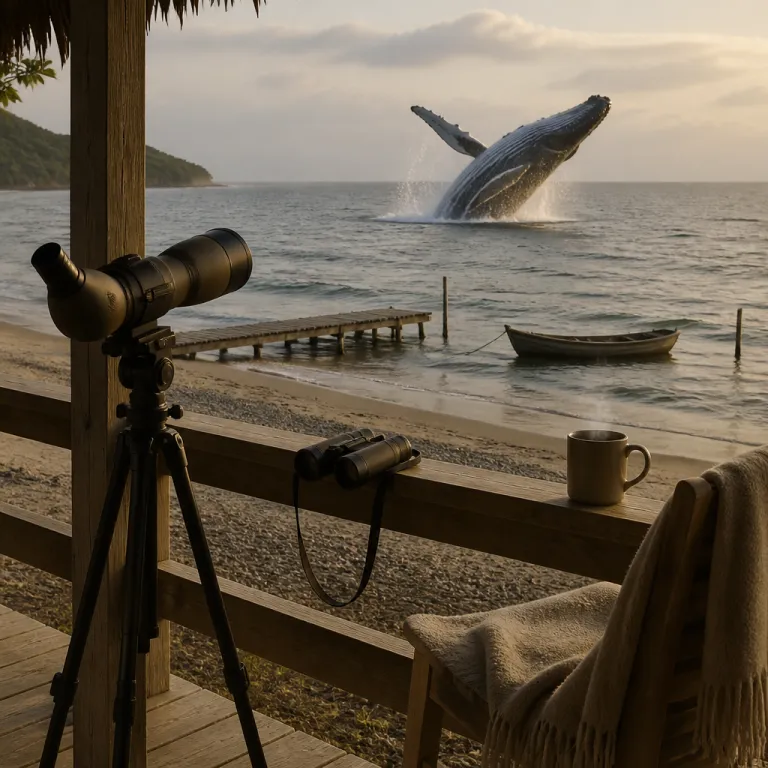
Whale watching Colombia luxury: mapping the Pacific eco-lodge circuit
Whale watching Colombia luxury now has a clear epicenter on the Colombian Pacific, where between 6,000 and 8,000 humpback whales are estimated to visit between July and October, according to regional counts from Parques Nacionales Naturales de Colombia and the Comisión Colombiana del Océano published in the mid-2010s. This stretch of Colombia Pacific coastline offers a compact circuit of eco lodge retreats that give couples and small groups front row seats to the migration, with different levels of comfort, access and isolation along the same wild coast. When you plan trips Colombia in this region, you move between rainforest backed coves, a deserted beach or two and small Afro Colombian communities that live directly from the whales Colombia season.
Nuquí is the most atmospheric base for a whale watching tour, with jungle paths leading from each eco lodge to hot springs, surf breaks and tiny fishing hamlets on the Pacific coast. Here, high end whale watching in Colombia means wooden stilted cabins with open air showers, serious seafood and a local guide who knows every humpback whale family that returns to the same bay each season. One Nuquí boat captain likes to point out a scarred female he calls “La Abuela”, explaining how he has seen her calves for more than a decade. Travelers who read the fine print on each watching tour will notice that the best time for sightings near Nuquí and the wider Colombian Pacific is August and September, when mothers and calves linger close to shore during the calmest part of the day.
Farther north, Bahía Solano offers a softer landing for visitors who want whale watching with a bit more infrastructure and easier logistics. Flights from Medellín reach Bahía Solano in under an hour with regional airlines such as Satena and EasyFly, and from there boats fan out along the coast to eco lodge hideaways between Bahía Solano and Nuquí, including the Solano Nuquí corridor that mixes mangroves, reefs and long deserted beach stretches. When you compare whale watching options in Bahía Solano versus Nuquí, Bahía Solano usually wins for travelers who will value slightly larger rooms, more reliable power and a broader choice of watching tour operators, while Nuquí excels at raw immersion in Colombian Pacific nature.
Logistics snapshot for the Colombian Pacific
Typical flights from Medellín to Bahía Solano or Nuquí take 45–55 minutes, with return fares often ranging from US$180–260 per person in high season, based on recent regional airline quotes. Shared boat transfers from Bahía Solano to nearby eco lodges usually last 20–60 minutes and cost around US$15–40 each way, while private whale watching excursions for couples or small groups can start near US$60–90 per outing. In protected areas such as Utría National Park and Bahía Málaga, daily visitor caps and prior registration are required; current rules and any permit updates are published by Parques Nacionales Naturales de Colombia and local environmental authorities, so always confirm details shortly before travel.
Choosing between Bahía Málaga, Utría National Park and Gorgona for couples
South along the Colombia Pacific, Bahía Málaga has become the reference point for tightly regulated whale watching in Colombia, especially for couples who want a short, high impact trip from Cali. Access to Bahía Málaga involves a road journey to Buenaventura and then a boat transfer across the bay, but the reward is a sheltered Pacific bay where humpback whales and humpback whale calves often breach within sight of the mangrove lined shore. For many visitors, the combination of a national park setting, clear distance rules for every whale watching tour and the option to return to an upscale hotel in Cali the same day makes Bahía Málaga the most manageable entry point to watching Colombia responsibly.
North of Nuquí, Utría National Park on the Chocó coast is where whale watching Colombia luxury intersects most clearly with conservation, because the park is co managed with local communities. Boat captains here follow strict speed limits and approach angles, and the park authority caps the number of vessels that can be near whales at any one time to protect every humpback whale and calf. Current Colombian guidelines, based on resolutions from the Ministry of Environment and Parques Nacionales issued over the last decade, generally require boats to keep at least 200 meters from groups with calves and to cut engines when whales approach. When travelers read a serious travel guide to the Colombian Pacific, Utría National Park usually appears as the place where a natural park setting, Afro Colombian culture and low key eco lodge stays align for couples who will trade a bit of comfort for near silent bays filled with whales.
Gorgona Island, a former prison turned natural park off the Colombia Pacific coast, suits couples who want isolation and are comfortable planning complex trips Colombia that combine flights and long boat rides. Here, whale watching tours share the water with divers exploring coral reefs and sharks, and the island’s strict visitor limits mean you will often watch whales with only a handful of other guests. A local park ranger on Gorgona describes the quiet as “like listening to the ocean breathe”, especially on mornings when the first sound is a whale exhaling just offshore. When you map your adventure tiers as a couple, pairing a few intense days on Gorgona with a softer landing in Medellín using a broader Colombia adventure planning guide can balance adrenaline with urban comfort.
Responsible whale watching frameworks, booking strategy and community impact
Across the Colombian Pacific, responsible whale watching frameworks now shape how eco lodge owners, local guides and tour operators interact with humpback whales during the July to October migration. Regulations typically require boats to keep at least 200 meters from any whale group with calves, cut engines when whales approach and limit the number of vessels near a group, while shore based watching from a deserted beach or cliff is encouraged when conditions allow. As one official answer in a regional briefing puts it, "When is the best time to see humpback whales in Colombia?" and "How can I reach Bahía Solano?" and "Are there eco-lodges in Bahía Solano?" anchor the basic logistics that every couple should read before booking.
For couples focused on whale watching Colombia luxury, the main booking challenge is timing, because the best time for sightings overlaps with the tightest availability at small eco lodge properties in Nuquí, Bahía Solano and Bahía Málaga. August weekends near Nuquí and along the Solano Nuquí corridor often sell out six months ahead, and many operators now require multi day stays that bundle a whale watching tour, rainforest hikes and a rest day on a quiet Pacific coast beach. Smart travelers will pair this migration circuit with other slow travel experiences, such as a hot springs itinerary in the Andes using a curated Colombia hot springs circuit for couples, to stretch flights to Colombia across contrasting climates.
The economic model behind whales Colombia tourism is now central to coastal livelihoods, because each whale watching tour supports boat crews, homestays, eco lodge staff and community conservation funds in Nuquí, Bahía Solano and Bahía Málaga. Local guides in these Colombian Pacific communities often split their year between fishing and leading watching Colombia excursions, and many say that stable whale seasons reduce pressure on overfished species along the coast. After a week of early morning outings and quiet evenings in remote lodges, some couples choose to end their trip with a night in Medellín, using a curated guide to Medellín nightlife to shift from the sound of whales exhaling offshore to the rhythm of a Colombian city in full creative bloom.
Sample 5 day Colombia Pacific whale watching itinerary for couples
Day 1: Fly from Medellín to Bahía Solano, transfer by boat to an eco lodge on the Solano Nuquí corridor and settle in with an afternoon beach walk. Day 2: Join a morning whale watching tour, followed by a guided rainforest hike and evening seafood dinner. Day 3: Take a second outing focused on humpback whale calves near shore, then visit a nearby Afro Colombian community. Day 4: Transfer to Nuquí or Bahía Málaga for a final dawn excursion and a soak in local hot springs. Day 5: Return to Medellín or Cali for a final night in the city before onward flights.
Booking checklist and permit tips
Confirm your travel window between late July and early October, with August and September as peak months for sightings. Reserve flights to Bahía Solano, Nuquí or Buenaventura at least three to six months ahead, especially for weekends. Pre book eco lodge stays that include certified whale watching tours, and ask operators how they apply current Colombian distance and speed rules. Check the latest visitor caps and registration requirements for Utría National Park, Bahía Málaga and Gorgona with Parques Nacionales Naturales de Colombia, and carry printed or digital copies of permits. Finally, verify boat transfer costs and baggage limits with your lodge a few days before departure to avoid last minute surprises.
References
colombia.travel ; ColombiaOne ; National Natural Parks of Colombia ; Comisión Colombiana del Océano