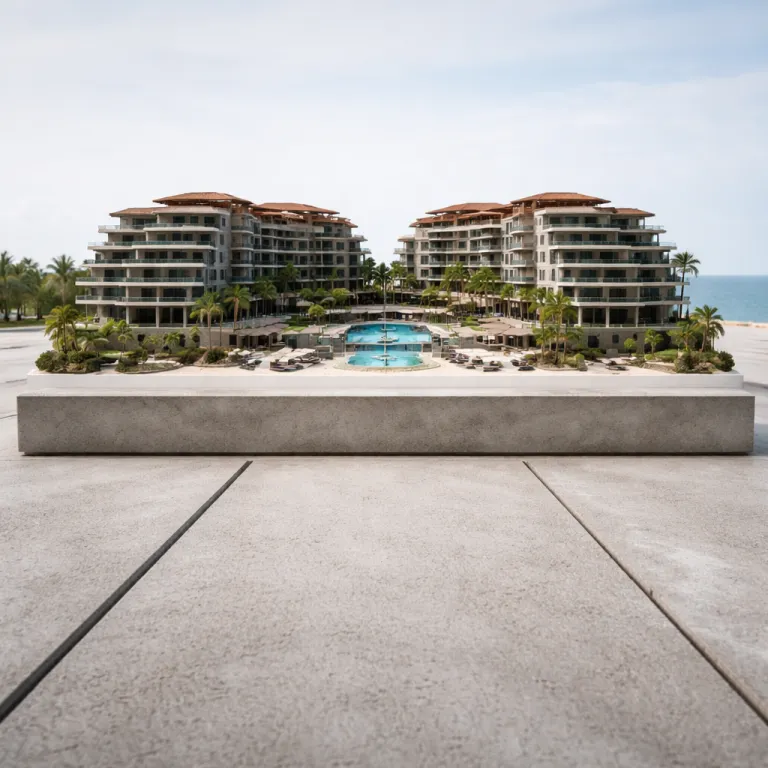
Hotel Caribbean Colombia: is Cartagena’s coast right for you?
Salt on the breeze, music from a distant plaza, and the outline of the old city walls catching the last light over the bay. When people search for “hotel Caribbean Colombia” or “Caribbean hotels in Cartagena Colombia”, they are usually picturing Cartagena and its coastal strip, from the historic centre to Bocagrande’s beaches. This area is a strong choice if you want a comfortable hotel with reliable service, a proper pool, and easy beach access without sacrificing culture, while still being able to connect to other Colombian Caribbean destinations like Barú, Santa Marta, and Tayrona.
Staying in Cartagena Colombia gives you two very different moods. Inside the walled city, restored casas on streets like Calle de la Mantilla feel intimate and atmospheric, while the modern seafront towers along Avenida San Martín in Bocagrande offer wide views of the sea and direct access to Bocagrande beaches. Both areas work well, but they suit different types of guests and different travel rhythms, so it helps to match your neighbourhood to how you actually travel and whether you plan to add on other Caribbean stops such as Santa Marta or the Rosario Islands.
For travellers focused on the Caribbean itself — sun, sand, and that slow coastal tempo — a Cartagena hotel on the waterline is usually the most satisfying option. You wake up to views of the sea, step down to the pool terrace, and can be on the sand in minutes. If your priority is nightlife, restaurants, and photography walks through colonial streets, then a hotel just inside the city walls, still close to the bay, will feel more rewarding, with the option of day trips to nearby islands or longer journeys up the coast.
Where to stay: walled city, Bocagrande, or beyond
Balconies draped in bougainvillea along Calle de la Iglesia offer a very different experience from the glass-fronted towers facing the Caribbean in Bocagrande. In the historic centre, many hotels are set in former casas with internal courtyards, plunge pools instead of large resort-style pools, and thick stone walls that keep rooms naturally cool. You trade direct beach access for atmosphere, walkability, and a sense of place that is hard to replicate elsewhere in Colombia, especially if you choose characterful properties such as Casa San Agustín or more modest boutique casas in Getsemaní.
Bocagrande, by contrast, feels more like a Latin American Miami. High-rise hotels line the coast, with long pool decks, larger public areas, and terraces designed for sunset cocktails overlooking the bay. Guests who value space, sea views, and quick access to Bocagrande beaches often prefer this strip, especially if they plan to spend most of the day between the pool and the shore. It is also convenient for early flights from Rafael Núñez International Airport, as the drive along Carrera 1 is straightforward and usually takes around 15 to 25 minutes depending on traffic, while transfers to Santa Marta or Tayrona typically take four to five hours by road.
Some travellers choose a split stay. A few nights in a comfortable hotel in the old town for culture and dining, then a move to a seafront property in Bocagrande or Castillogrande for a more resort-like finale. This combination works particularly well if you are arriving on a late flight into Rafael Núñez and want an easy first night near the coast, then a more characterful address once you have adjusted to the Caribbean heat. Others extend the trip with a couple of nights on Barú or the Rosario Islands for quieter beaches, or continue along the Colombian Caribbean to Santa Marta and Tayrona for wilder scenery.
What to expect from rooms, views, and comfort
Inside the rooms, expectations should be clear. In the premium segment along the Caribbean Cartagena coast, you can reasonably look for air conditioning that copes with the humidity, flat screen televisions, blackout curtains, and well-finished bathrooms with proper bath sheets rather than thin towels. Many seafront rooms are designed around the view, with floor-to-ceiling windows framing the bay or the open Caribbean, so it is worth checking whether your category explicitly mentions views of the sea or only partial city views, and whether balconies are furnished enough to be genuinely usable.
In historic casas within the walled city, layouts are often more idiosyncratic. Rooms may open onto internal patios or upper galleries rather than the street, which can mean less direct light but more privacy and quiet. Some have small plunge pools on shared terraces, a welcome feature after a day walking between Plaza Santo Domingo and the ramparts. If you are sensitive to noise, ask about internal versus street-facing rooms, especially around lively corners like Calle del Arsenal, and check whether windows are double-glazed or rely mainly on shutters.
Comfortable hotel standards in Cartagena Colombia usually include 24-hour reception, in-room air conditioning, and non-smoking rooms as the default, with a few properties still offering designated smoking rooms or outdoor smoking areas. When you view photos on a hotel’s gallery, pay attention not only to the hero shots of the main pool and lobby, but also to the more modest images of corridors and secondary public areas. They often reveal how consistently the property is maintained and whether the hotel feels closer to a boutique casa or a larger Caribbean resort, and can hint at whether the advertised star rating matches the real on-the-ground experience.
Pools, terraces, and access to the Caribbean
On this stretch of the Colombian Caribbean, the pool is often the real living room of the hotel. In Bocagrande, large multi-level pools with swim-up bars and shallow sections for lounging are common, framed by rows of sunbeds and cabanas facing the sea. Some properties add a smaller plunge pool on a higher terrace, reserved for adults or for guests in certain room categories, which can be a quieter alternative to the main deck and a useful refuge when the public beach feels crowded.
In the historic centre, space is tighter. Many hotels carve out compact pools in inner courtyards, surrounded by stone walls and tropical plants, more about cooling off than doing laps. Rooftop terraces with smaller pools or jacuzzis are also popular, offering elevated views over the domes of San Pedro Claver and the bay beyond. These rooftops become social spaces at sunset, when the heat softens and the Caribbean light turns golden, and they are often where you will find the best hotel bars in Cartagena for a pre-dinner drink.
Direct beach access varies. Along the main Bocagrande strip, you usually cross a small promenade to reach the sand, with public access to the shoreline remaining free for everyone. Hotels may provide towels, umbrellas, and attendants to help guests settle, but the beach itself is shared. If you prefer more controlled environments, focus on properties that emphasize their pool and terrace experience rather than the beach, as the urban shoreline can feel busy, especially on weekends and national holidays, and consider adding a night on Barú or the Rosario Islands if you want clearer water and a more secluded Caribbean feel.
Service, atmosphere, and what to check before booking
Service on Colombia’s Caribbean coast tends to be warm and informal, with a slower rhythm than Bogotá but a genuine desire to please. In higher-end hotels, you can expect staff at reception and in public areas to switch between Spanish and English with ease, and to help with practicalities such as arranging transport to Rafael Núñez or storing luggage for a few hours after check-out. The atmosphere ranges from family-oriented resorts with children in the pool from early morning, to quieter, adult-leaning casas where the soundtrack is more likely to be soft boleros than reggaeton.
Before you commit, it is worth checking a few concrete points. Confirm the check-in and check-out hour if you are arriving on an early international flight or leaving on a late one, as policies differ and late departures are not always possible. Look closely at room descriptions to see whether smoking rooms exist in the category you are considering, especially if you are sensitive to smoke. If you plan to spend long afternoons on the terrace or by the pool, verify whether sun exposure is morning or afternoon, since the Caribbean sun can be intense, and ask whether day passes are sold to non-guests, as this can change how busy the pool area feels.
Many travellers like to write a review after their stay, but for decision-making, your own priorities matter more than aggregated opinions. If you care about design and a sense of place, focus on smaller properties in the old town with restored architecture and intimate courtyards. If your priority is space, a large pool, and easy access to the beach, then the more contemporary hotels along Bocagrande will likely feel like a better fit, even if the interiors are less distinctive. For those planning a longer Colombian Caribbean itinerary that includes Santa Marta, Tayrona, or even Providencia via connecting flights, Cartagena works well as a comfortable starting point with dependable hotel standards.
Practicalities: location, transport, and value
Distances in Cartagena are short, which makes the choice of neighbourhood more about mood than logistics. From most seafront hotels in Bocagrande, you can reach the Puerta del Reloj at the entrance to the walled city in around 10 to 15 minutes by car, depending on traffic along Avenida Santander. The drive from Rafael Núñez International Airport to either Bocagrande or the historic centre is similarly compact, often under half an hour, which reduces transfer fatigue after a long-haul flight and makes Cartagena one of the easiest Colombian Caribbean cities to arrive in.
When you look at rates, remember that many prices are quoted in both Colombian pesos and in dollar equivalents, especially on international-facing sites. The Caribbean Cartagena coast has seen sustained tourism growth, and with it, a wide range of hotels from simple guesthouses to polished five-stars. For a premium stay, you are paying not only for the room but for the pool, the terrace, the level of finish in public areas, and the overall sense of ease — the ability to move from breakfast to the beach to an evening drink without friction, with typical nightly rates for mid-range Cartagena hotels often sitting in the US$120–220 band and higher-end options running above that.
Value is not only about the nightly rate. A hotel with a generous breakfast, thoughtful beach access arrangements, and well-designed rooms can feel more satisfying than a slightly cheaper option where you end up paying extra for every small comfort. In Cartagena Colombia, the sweet spot for many travellers is a property that balances Caribbean character with modern comforts: strong air conditioning, comfortable beds, quality bath sheets, and enough space in the room to unpack properly before you head out to explore the city’s plazas and coastal walks. For broader Colombian Caribbean trips that include Santa Marta, Tayrona, or island stays, it can be worth spending a little more in Cartagena at the start or end of the journey to ensure a reliably restful base.
Who a Caribbean Cartagena hotel suits best
Couples looking for a romantic escape often gravitate towards the walled city, choosing restored casas with candlelit courtyards, small plunge pools, and rooftop terraces where they can watch the sunset over the bay. The proximity to fine-dining restaurants, intimate wine bars, and late-night salsa clubs around Calle del Colegio makes this area particularly appealing for evening strolls. The trade-off is less direct contact with the beach and a stronger focus on urban charm, which many travellers then balance with a night or two on Barú or another quieter Caribbean beach.
Families and groups of friends usually feel more at ease in Bocagrande or neighbouring Castillogrande, where larger rooms, multiple pools, and straightforward access to Bocagrande beaches simplify logistics. Children can move between the pool and the sand, while adults enjoy longer views of the sea and more open public areas. If you are planning day trips to nearby islands or along the wider Caribbean coast of Colombia, being on this side of town can also make pick-ups and drop-offs smoother, and it keeps transfer times manageable if you are continuing by road to Santa Marta or Tayrona.
Solo travellers and remote workers — those who want a mix of culture, comfort, and the option to retreat — might choose a smaller, comfortable hotel just outside the noisiest streets of the old town. Here, you can step out to photograph the city at first light, then return to a quiet terrace for a swim and a coffee. Whatever your profile, the key is to align your choice of hotel Caribbean Colombia with how you actually spend your days: by the pool, on the beach, or wandering the stone ramparts as the city wakes up, and to decide whether Cartagena will be your only Colombian Caribbean stop or the first chapter in a longer coastal itinerary.
Is Cartagena on Colombia’s Caribbean coast a good place to book a hotel?
Cartagena on Colombia’s Caribbean coast is an excellent place to book a hotel if you want a mix of beach, culture, and comfortable urban living in a compact, walkable setting. The city offers a wide range of hotels, from characterful casas in the walled centre to modern seafront towers in Bocagrande, all within a short drive of Rafael Núñez International Airport. You can expect strong air conditioning, good pools, and easy access to both the historic streets and the shoreline, making it a versatile base for different types of trips and a natural starting point for exploring other Colombian Caribbean destinations.
What should I check before choosing a Caribbean Cartagena hotel?
Before choosing a Caribbean Cartagena hotel, check the exact location (walled city versus Bocagrande), the room type and whether it guarantees views of the sea or only city views, and the pool and terrace setup, especially if you plan to spend long hours on-site. Confirm the check-in and check-out hour in relation to your flights, and verify whether the property offers non-smoking rooms only or still has smoking rooms in some categories. It is also wise to look closely at photos of public areas and bathrooms to gauge maintenance and comfort levels, and to read recent reviews that mention noise, water pressure, and air conditioning performance in Cartagena’s humid Caribbean climate.
Is it better to stay in the walled city or in Bocagrande?
Staying in the walled city is better if you prioritise atmosphere, architecture, and easy access to Cartagena’s best restaurants, bars, and historic sights, accepting that you will not be directly on the beach. Bocagrande is better if you want larger pools, more open public areas, and quick access to Bocagrande beaches, even if the surroundings feel more modern and less historic. Many travellers combine both, starting in the old town for culture and finishing with a few nights on the seafront for a more resort-like Caribbean experience, sometimes adding an extra stop on Barú or in Santa Marta to see a different side of Colombia’s Caribbean coast.
What kind of pool and beach experience can I expect in Cartagena?
In Cartagena, seafront hotels in Bocagrande typically offer large pools with sunbeds, sometimes complemented by smaller plunge pools or adult-only areas on higher terraces, while properties in the walled city tend to have compact courtyard pools or rooftop pools mainly for cooling off. Beach access along Bocagrande involves crossing a promenade to reach a public but easily accessible shoreline, where hotels may provide towels and basic support. The overall experience is more urban Caribbean than remote island, with the pool often becoming the main relaxation space, and many travellers choosing to add a separate stay on Barú or the Rosario Islands if they want a softer, more secluded beach environment.
Who is a Caribbean hotel stay in Cartagena most suitable for?
A Caribbean hotel stay in Cartagena is most suitable for travellers who enjoy combining city life with coastal relaxation: couples seeking romantic colonial streets and sunset terraces, families wanting pools and straightforward beach access, and solo travellers who appreciate walkable neighbourhoods with plenty of cafés and cultural sites. It works especially well for first-time visitors to Colombia who want a soft landing with reliable comfort and a strong sense of place. Those seeking total seclusion might prefer to pair Cartagena with quieter coastal destinations further along Colombia’s Caribbean shore, such as Tayrona or Providencia, using Cartagena’s hotels as a comfortable hub before or after more remote adventures.