Why September is the quiet luxury moment for travel Colombia
September sits in that rare sweet spot for travel in Colombia, when premium hotels in secondary regions quietly lower rates while keeping full service. Between the busy July and August holidays and the heavier October rains, the country relaxes into a slower rhythm that suits couples, friends, and solo travelers who value space, attentive staff, and time to linger. For a luxury focused trip to Colombia, this shoulder period lets you experience each destination with more intimacy and less background noise.
Weather patterns support this timing for thoughtful Colombian shoulder season travel, especially if you plan carefully across regions in the same country. In the Andean areas around Bogotá, average temperatures hover near 18 °C, with short afternoon showers rather than all day washouts, while the Caribbean coast stays hot at around 32 °C with humidity and dramatic evening clouds, according to long term climate data from Colombia’s national meteorological institute (IDEAM) and summaries published by Colombia’s tourism ministry. On the Pacific, whale watching remains strong through September, with humpbacks typically present from July to October, as noted in regional tourism board whale season calendars, although late month brings heavier rain, so travelers should build flexible plans and monitor local forecasts through reliable local media and official weather bulletins.
From a risk and reward perspective, September is when luxury travelers can help improve their overall experience while managing practical concerns. Lower occupancy in cities and rural areas means staff will often upgrade room types, extend late check out, or arrange private experiences that are impossible in peak weeks. For families traveling with children or groups of friends, this is also when you can secure connecting suites in high altitude regions such as Boyacá or Santander, while still following formal travel advice about security, crime, and natural disasters issued by your home government and Colombia’s tourism ministry.
Practicalities still matter, especially for essential travel that mixes leisure and business in Colombia. Airlines adjust schedules after the August rush, so you should confirm every entry leg and domestic connection, and keep travel insurance that includes emergency assistance for delays or medical issues. Official guidance from several government travel advisories often reminds visitors that “Is September a good time to visit Colombia? Yes, especially for travelers seeking fewer crowds and lower prices.”, and this aligns closely with what luxury hoteliers report from their own booking data and internal occupancy reports for the September shoulder season.
Villa de Leyva and Boyacá: colonial calm, high altitude light
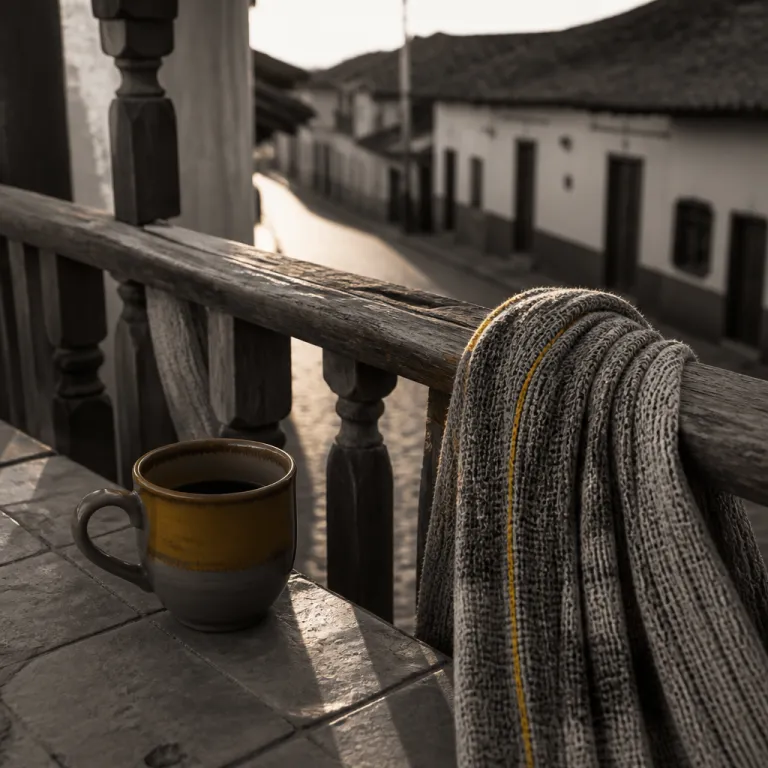
Three hours from Bogotá, Villa de Leyva feels made for travelers who prefer cobblestone evenings to nightclub noise, and September’s shoulder season amplifies that sense of calm. The town sits at high altitude in the Andean cordillera, so days are bright and cool while nights invite fireplaces, Andean red wines, and long conversations in Spanish with attentive staff. Luxury properties around the plaza and in the surrounding countryside quietly reduce rates, which makes this period ideal for extended stays that blend cultural immersion with slow travel in Colombia’s highlands.
Because this is still a conservative region of the country, you should respect local customs while enjoying the town’s galleries, vineyards, and nearby archaeological sites. Public transportation from Bogotá is straightforward, but travelers who value privacy often book private transfers through their hotel, which also helps with security in rural areas after dark. For those interested in deeper cultural context, reading about an indigenous ceremony in the Sierra Nevada on an expert led indigenous tourism experience can frame how Colombia balances heritage, tourism, and respect for local communities.
Travel advice for Boyacá usually focuses on road conditions, weather, and the need to avoid driving at night rather than on serious crime or illegal armed activity. Visitors should still monitor local media for updates on landslides or other natural disasters, especially after heavy rain in the surrounding mountains, and review any regional alerts published by Colombia’s disaster risk management agencies. When planning essential travel with children or older relatives, remember that the high altitude can affect sleep and energy, so allow a gentle first day and keep emergency assistance contacts from your travel insurance easily accessible.
From Villa de Leyva, some travelers extend their Colombia itinerary toward the coffee region or Valle del Cauca, but September rewards those who linger. Day trips to nearby vineyards, thermal springs, and small towns let you experience a quieter side of the country, including rural markets where Spanish is the only language you will hear. Hotels here are used to international guests and will help improve your language confidence, offering gentle corrections and arranging guides who can explain local history, regional politics, and how Colombia–Venezuela relations or the distant Venezuelan border rarely affect daily life in these central highlands.
Santander and the Chicamocha Canyon: adventure with an elegant base
Santander is where travel in Colombia shifts from colonial plazas to raw canyon landscapes, and September is when the Chicamocha Canyon trails feel almost private. The region’s relatively dry climate means that even in this shoulder month, you are more likely to face afternoon gusts of wind than long rainstorms, which suits travelers planning paragliding, rafting, or canyon hikes. Luxury minded visitors base themselves in Barichara or San Gil, choosing restored mansions with shaded courtyards and staff who understand both adventure logistics and refined service.
Rates at premium properties in Santander usually dip between the August holiday peak and the later year festivities, which makes this an excellent time to upgrade your room type or add spa treatments. For a broader view of where to go next, consult an elegant guide to Colombia’s best places and then layer Santander into a multi stop itinerary that also includes coastal or island stays. Travelers who enjoy contrast often pair canyon adventures with a few nights on San Andrés, where September still offers warm seas, though you should watch forecasts for storms and follow government travel advice about hurricanes and other natural disasters in the Caribbean.
Security in Santander’s main tourist areas is generally stable, but as in any country, you should stay aware of petty crime, especially around bus terminals and crowded public transportation hubs. Local authorities and hotel concierges will advise you to avoid isolated trails late in the day and to use registered guides for rafting or canyon descents, which also reduces risk from sudden weather changes. When planning essential travel that crosses departments such as Cauca or Valle del Cauca, check whether any routes pass near zones with illegal armed groups, and adjust your travel plans if official advisories from your foreign ministry or Colombia’s security agencies suggest caution.
For families traveling with older children or teens, Santander offers a controlled sense of adventure that still respects safety and comfort. Many high end lodges include gear, certified guides, and clear emergency assistance protocols in their packages, which should be confirmed in writing and backed by robust travel insurance. Before you leave Bogotá or other major cities, review your travel health needs, including sun protection at high altitude, hydration during canyon hikes, and any specific entry requirements your home government lists for Colombia.
The Llanos and beyond: wildlife, whales, and executive level retreats
East of the Andes, the Llanos open into a vast savannah where cowboys, capybaras, and herons share the same horizon, and September is one of the most rewarding months to visit. Rains have usually greened the plains without turning tracks into impassable mud, so wildlife viewing by 4x4 or horseback becomes a daily ritual rather than a logistical gamble. Luxury estancias in this part of Colombia limit guest numbers, which means guests enjoy private guides, candlelit dinners, and dawn rides that feel far removed from the country’s busy cities.
On the Pacific coast, whale watching remains a highlight for Colombia travel in September, especially around Nuquí and Bahía Solano, where humpbacks linger with their calves during a season that typically runs from mid year into early October, as noted by regional tourism boards and local marine conservation groups. Here, the weather pattern shifts during the month, with heavier rain later on, so you should build buffer days into your travel plans and monitor local updates about sea conditions. Because these areas are more remote and closer to zones where illegal armed groups sometimes operate, you must follow current travel advice, use registered operators, and rely on your hotel to coordinate secure transfers by boat or small aircraft.
For executives blending essential travel with downtime, Colombia now offers a new type of resort that understands laptops and board decks as well as ceviche and cumbia. Properties highlighted in recent hospitality industry reports on resorts built for executives show how high speed connectivity, quiet meeting rooms, and discreet service can coexist with jungle views or oceanfront decks. These hotels often sit far from any Venezuela border crossing or major Colombia–Venezuela trade corridor, which keeps the focus on work life balance rather than geopolitics, while still maintaining strong security protocols and clear emergency assistance procedures.
Wherever you go in September, a few principles will help improve both comfort and safety for your Colombia itinerary. Invest in comprehensive travel insurance that covers medical evacuation, cancellations linked to natural disasters, and support for families traveling with children, then share policy details with your primary hotel so they can coordinate if needed. Finally, keep copies of your entry documents, follow your government’s latest travel health updates and Colombia’s official tourism guidance, and do not ignore local advice when staff quietly suggest you avoid certain areas after dark or choose private transfers instead of late night public transportation.
FAQ
Is September a good time to visit Colombia’s secondary destinations for luxury stays ?
September is an excellent time to visit secondary destinations in Colombia for luxury and premium stays, because it falls between the busy July and August period and the heavier October rains. Hotels in places like Villa de Leyva, Santander, and the Llanos often reduce rates while maintaining full service, which improves value for couples, families, and solo travelers. Attractions remain open, crowds thin out, and you can usually secure better room types and more personalized experiences without the peak season pressure.
What is the weather like in Colombia in September for regional travel ?
Weather in Colombia during September varies by region, which is why multi stop itineraries work so well. The Andean areas around Bogotá are cooler, with average temperatures near 18 °C and short afternoon showers, while the Caribbean coast stays hot and humid with around 32 °C and heavier but brief downpours, in line with climate summaries from IDEAM and Colombia’s tourism ministry. On the Pacific coast, whale watching is still strong, although late September can bring more intense rain, so travelers should monitor local forecasts and adjust activities rather than expect all day sunshine.
Are there specific security risks or areas to avoid when planning off peak travel ?
Most established secondary destinations such as Villa de Leyva, Barichara, and many parts of the Llanos are considered stable for visitors who follow standard precautions. However, some rural areas in departments like Cauca and Valle del Cauca, or zones closer to the Venezuela border, can see activity from illegal armed groups, so you should follow your government’s travel advice and avoid routes flagged as higher risk by foreign ministries and Colombian authorities. Hotels and local guides are valuable sources for up to date information, and they can help you choose secure transfers, vetted excursions, and appropriate times to move between regions.
Do I need special travel insurance or health precautions for high altitude and remote regions ?
Comprehensive travel insurance is strongly recommended for travel in Colombia, especially when your itinerary includes high altitude towns or remote wildlife lodges. Policies should cover emergency assistance, medical evacuation, and disruptions linked to natural disasters or transport issues, which are more relevant in rural areas and on the Pacific coast. For travel health, plan extra time to acclimatize in high altitude destinations, stay hydrated, use sun protection, and consult a medical professional before departure about any vaccines or medications recommended for the country in official travel health advisories.
How far in advance should I book luxury hotels for September shoulder season ?
For most secondary destinations in Colombia, booking premium hotels six to eight weeks before a September stay strikes a good balance between choice and value. Properties in smaller towns like Villa de Leyva or Barichara have limited room inventories, so travelers seeking specific suites or views should reserve earlier, especially for weekends or local holidays. In more remote regions such as the Pacific coast or the Llanos, early booking also allows hotels to coordinate transfers, guides, and any special experiences you request, which is essential travel planning when public transportation options are limited.